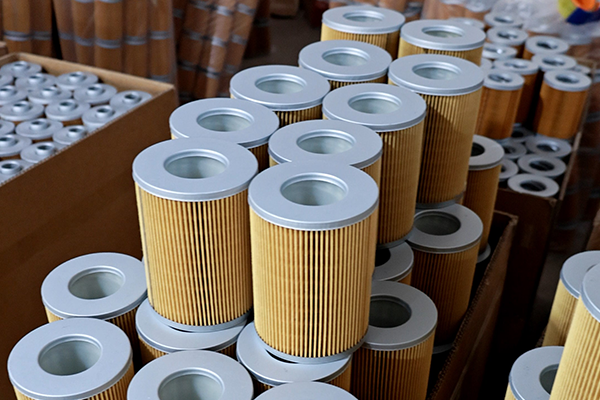

NewsDetails
Failure Mechanisms and Improvement Measures of Oil Filter Bypass Valves
author:Chengrui time:2025-12-16 20:38:35 Click:108
Failure Mechanisms and Improvement Measures of Oil Filter Bypass Valves
The bypass valve in an engine oil filter is a critical safety component designed to maintain oil flow when the filter element becomes clogged or oil viscosity is excessively high, such as during cold starts. Failure of the bypass valve can lead to serious lubrication problems, accelerated engine wear, and even catastrophic engine damage. Understanding its failure mechanisms and corresponding improvements is essential for both design optimization and maintenance.
1. Function of the Oil Filter Bypass Valve
The primary function of the bypass valve is to open when the pressure differential across the filter exceeds a specified limit. This allows unfiltered oil to flow directly to the engine, ensuring continuous lubrication and preventing oil starvation under extreme conditions.
2. Common Failure Mechanisms
Spring Fatigue or Loss of Elasticity
Repeated pressure cycles and high-temperature exposure can cause the valve spring to lose stiffness. This may result in premature opening, delayed closing, or complete inability to maintain the designed pressure threshold.
Valve Sticking or Jamming
Contaminants, sludge, or varnish deposits can accumulate on the valve seat or guide surfaces. This buildup increases friction and can cause the valve to stick in either the open or closed position.
Seal Degradation
Elastomeric seals used in bypass valves may harden, crack, or swell due to prolonged exposure to high temperatures, oxidized oil, or incompatible additives. Seal failure leads to leakage or uncontrolled bypass flow.
Manufacturing Defects and Tolerance Issues
Poor dimensional control, rough surface finish, or misalignment between the valve and housing can impair proper valve movement and sealing performance.
Improper Material Selection
Inadequate corrosion resistance or thermal stability of valve components can accelerate wear and deformation, especially in severe operating environments.
3. Consequences of Bypass Valve Failure
A bypass valve stuck open allows unfiltered oil to circulate continuously, increasing abrasive wear on engine components. Conversely, a valve that fails to open during high differential pressure conditions can restrict oil flow, leading to oil starvation, overheating, and potential engine seizure.
4. Improvement Measures and Design Optimization
Enhanced Material Selection
Using high-temperature-resistant alloys for valve springs and oil-resistant elastomers such as fluorocarbon rubber for seals improves durability and stability.
Optimized Spring Design
Improving spring geometry and heat treatment processes enhances fatigue resistance and maintains consistent opening pressure over the valve’s service life.
Improved Surface Finish and Cleanliness
Precision machining and better surface finishes reduce friction and susceptibility to contamination-induced sticking. Clean assembly environments further minimize debris introduction.
Structural and Tolerance Optimization
Tighter dimensional control and better alignment between valve components ensure smooth operation and reliable sealing.
Regular Maintenance and Oil Quality Control
Using high-quality engine oil, maintaining recommended oil change intervals, and avoiding sludge formation significantly reduce bypass valve failure risks.
5. Conclusion
The oil filter bypass valve plays a vital role in protecting engine lubrication systems under extreme conditions. Failures typically arise from material degradation, contamination, fatigue, and manufacturing issues. Through improved material selection, refined design, and proper maintenance practices, the reliability and service life of bypass valves can be significantly enhanced, ensuring consistent engine protection.
References
Heywood, J. B. Internal Combustion Engine Fundamentals. McGraw-Hill, 2018.
Totten, G. E. Lubrication and Lubricant Selection. ASTM International, 2006.
SAE J1858 – Engine Oil Filter Test Methods.
ASTM D6595 – Standard Test Method for Determination of Wear Metals in Used Oil.
ISO 4548 – Methods of Test for Full-Flow Lubricating Oil Filters.
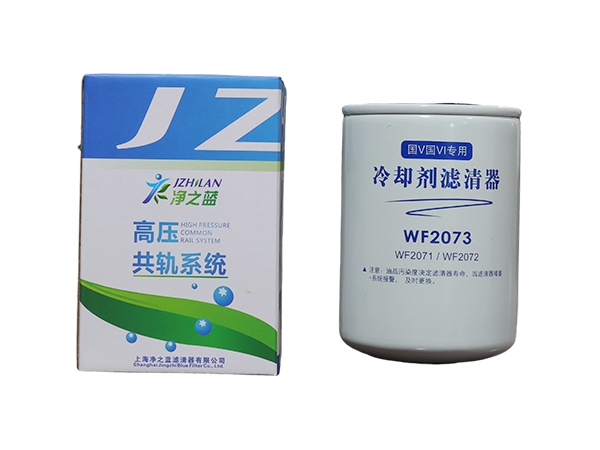
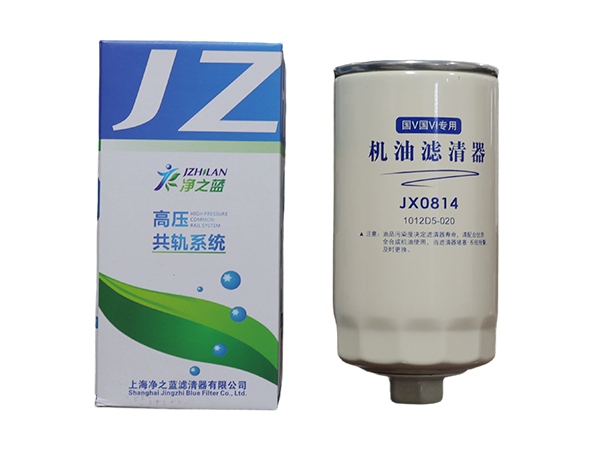
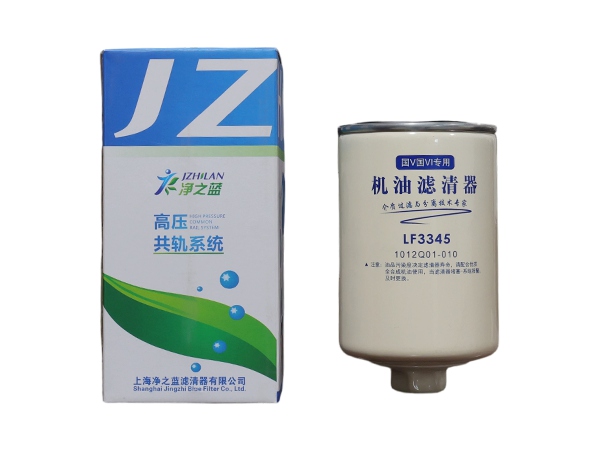
 Recommended Products


 Contact us
—— Contact:Mr. Gao
—— Tel:+86 19565234361
—— Email:aomark706@gmail.com
—— Url:https://www.jzl-filter.com
—— Address:Hejian City, Cangzhou City, Hebei Province