
NewsDetails
Oil Filter Efficiency Under Extreme Operating Conditions
author:Chengrui time:2025-12-16 20:48:09 Click:170
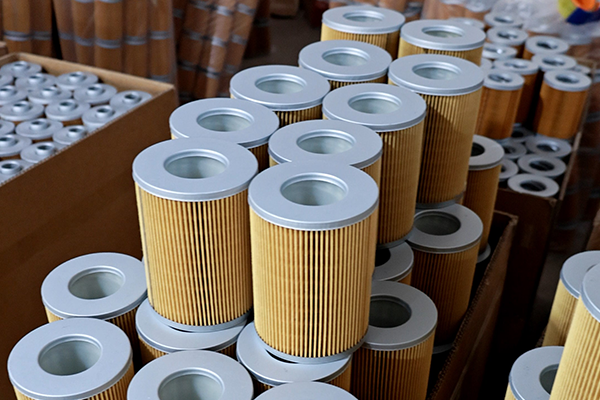
Oil filters play a critical role in protecting engine components by removing contaminants from lubricating oil. Under extreme operating conditions—such as very high or low temperatures, heavy loads, frequent cold starts, high engine speeds, or dusty environments—the filtration performance of oil filters is significantly challenged. Understanding how these conditions affect filtration efficiency is essential for proper filter selection and engine reliability.
Under high-temperature conditions, engine oil viscosity decreases, causing oil to flow faster through the filter media. While increased flow improves lubrication speed, it also raises the risk of reduced filtration efficiency. Fine particles may pass through the filter media if the pore structure is not optimized for high-flow conditions. Prolonged exposure to high temperatures can also accelerate the aging of filter materials, leading to fiber degradation, loss of structural integrity, and potential media collapse.
Low-temperature environments, especially during cold starts, present a different challenge. Engine oil becomes highly viscous, increasing flow resistance through the filter. This can cause a temporary pressure spike across the filter media, potentially triggering the bypass valve. When the bypass valve opens, unfiltered oil circulates through the engine, reducing overall filtration efficiency during a critical wear period.
In high-load or high-speed operating conditions, oil circulation rates increase substantially. The filter must maintain both mechanical strength and stable filtration performance under elevated pressure differentials. If the filter media lacks sufficient strength or pleat support, deformation may occur, resulting in uneven flow distribution and reduced contaminant capture efficiency.
Dusty or contaminated environments further stress oil filters by rapidly increasing contaminant loading. As particles accumulate, flow resistance rises, which may reduce oil supply or prematurely activate the bypass valve. Filters with higher dirt-holding capacity and multi-layer synthetic media tend to maintain higher efficiency over longer service intervals under such conditions.
To ensure reliable performance in extreme conditions, modern oil filters increasingly use advanced synthetic or blended media, reinforced center tubes, heat-resistant adhesives, and precisely calibrated bypass valves. These design improvements help maintain consistent filtration efficiency, structural stability, and oil flow across a wide range of operating environments.
In summary, extreme operating conditions can significantly impact oil filter efficiency through changes in oil viscosity, flow rate, pressure, and contaminant load. Selecting an oil filter designed and tested for such conditions is essential to ensure engine protection, reduce wear, and extend service life.
References
ISO 4548-12: Methods of Test for Full-Flow Lubricating Oil Filters for Internal Combustion Engines.
SAE International, Engine Oil Filtration and Contaminant Control, SAE Technical Papers.
Totten, G. E., Westbrook, S. R., & Shah, R. J., Fuels and Lubricants Handbook, ASTM International.
Fitch, J. C., Practical Oil Analysis, Noria Corporation.
 Recommended Products


 Contact us
—— Contact:Mr. Gao
—— Tel:+86 19565234361
—— Email:aomark706@gmail.com
—— Url:https://www.jzl-filter.com
—— Address:Hejian City, Cangzhou City, Hebei Province