
NewsDetails
Chain Failure Analysis Caused by Oil Filter Bypass Valve Malfunction
author:Chengrui time:2026-01-04 13:47:28 Click:68
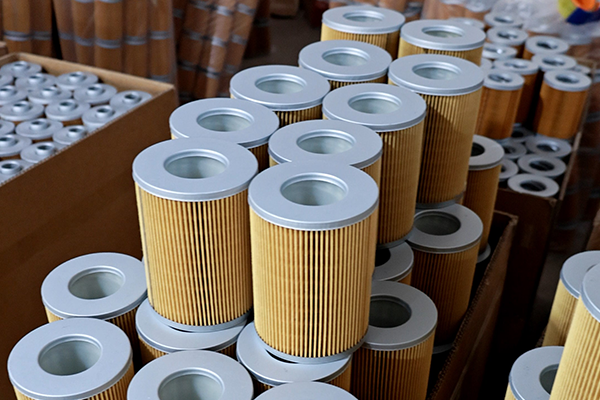
The bypass valve is a critical safety component inside an oil filter. Its function is to maintain oil supply to the engine when flow resistance across the filter becomes excessive. When the bypass valve fails, especially in heavy-duty truck engines, it can trigger a series of cascading faults that compromise lubrication integrity and accelerate engine damage.
Function of the Oil Filter Bypass Valve
Under normal conditions, engine oil passes through the filter media before entering the lubrication circuit. When the filter becomes clogged or oil viscosity rises sharply during cold starts, the pressure differential across the filter increases. The bypass valve opens at a calibrated pressure to ensure continuous oil flow, preventing immediate oil starvation.
Proper timing and stability of bypass valve operation are essential.
Failure Modes of the Bypass Valve
Bypass valve failure typically occurs in three forms: sticking closed, sticking open, or unstable opening and closing. Causes include poor valve material selection, weak spring calibration, contamination buildup, or structural deformation caused by high pressure and temperature cycling.
Each failure mode initiates a different but equally damaging chain reaction.
Oil Starvation Due to Stuck-Closed Bypass Valve
When the bypass valve fails to open under high differential pressure, oil flow through the clogged filter is severely restricted. This results in insufficient oil supply to bearings, camshafts, piston cooling jets, and turbochargers.
Even short periods of oil starvation can cause rapid bearing scuffing, overheating, and irreversible surface damage, particularly under high load operation.
Accelerated Engine Wear from Stuck-Open Bypass Valve
If the bypass valve remains open continuously, oil bypasses the filter media entirely. Contaminants circulate freely throughout the lubrication system, increasing abrasive and corrosive wear.
Over time, this leads to accelerated wear of crankshaft journals, cam lobes, cylinder liners, and valve train components, effectively neutralizing the protective function of the lubrication system.
Oil Pressure Instability and System Imbalance
Intermittent or unstable bypass valve behavior causes fluctuating oil pressure. Pressure surges upstream and pressure drops downstream disrupt the lubrication film at critical contact points.
This instability increases fatigue stress on engine components and may also trigger false oil pressure alarms or mask underlying lubrication faults.
Secondary Failures and System-Level Damage
Bypass valve malfunction increases stress on the oil pump, filter housing, and seals. Prolonged overpressure can deform the filter shell or cause gasket failure, leading to oil leakage or sudden oil loss.
These secondary failures further escalate the risk of catastrophic lubrication system collapse.
Conclusion
Oil filter bypass valve failure initiates a chain of lubrication system faults, including oil starvation, unfiltered oil circulation, pressure instability, and structural damage. For heavy-duty truck engines, reliable bypass valve design, correct calibration, and timely oil filter replacement are essential to maintaining lubrication system integrity and preventing cascading engine failures.
References
SAE International – Engine Oil Filtration and Bypass Valve Performance Studies
ISO 4548 – Full-Flow Lubricating Oil Filters for Internal Combustion Engines
Heavy-Duty Diesel Engine Lubrication System Failure Analysis Guidelines
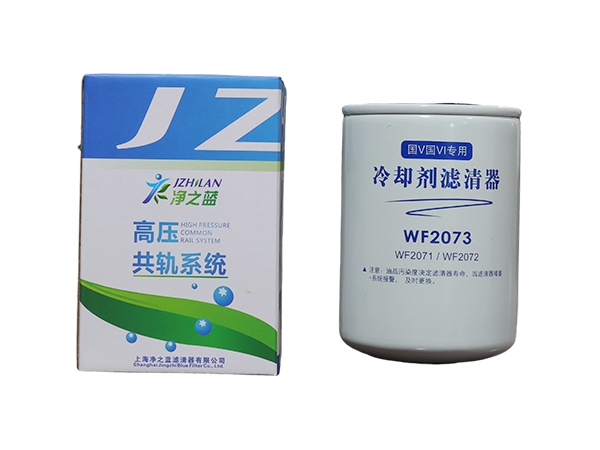
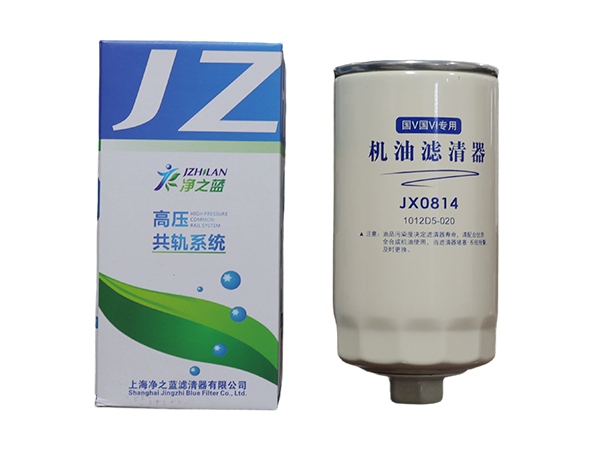
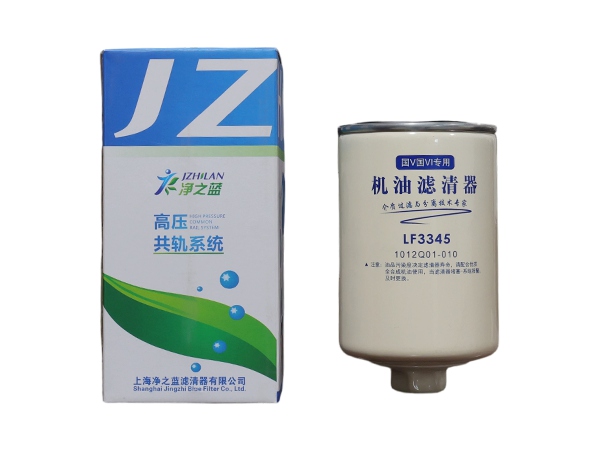
 Recommended Products


 Contact us
—— Contact:Mr. Gao
—— Tel:+86 19565234361
—— Email:aomark706@gmail.com
—— Url:https://www.jzl-filter.com
—— Address:Hejian City, Cangzhou City, Hebei Province