
NewsDetails
Proliferation of Counterfeit Fuel Filters: How to Identify Genuine vs. Fake Products
author:Chengrui time:2026-01-04 14:48:39 Click:50
Fuel filters play a critical role in protecting diesel and gasoline engines, especially in heavy-duty trucks. The rise of counterfeit or low-quality “fake” fuel filters poses serious risks: poor filtration, engine wear, injector damage, and even safety hazards. Identifying genuine filters is essential for maintaining engine reliability and fuel system integrity.
1. Check Packaging and Branding
Genuine filters come in factory-sealed packaging with clear labeling, batch numbers, and manufacturer logos.
Counterfeit filters often have poor-quality printing, misspelled brand names, or faded logos.
Look for holograms, QR codes, or security stickers that can be verified with the manufacturer.
2. Inspect the Filter Body and Materials
OEM filters use high-quality metal, plastic, and filter media. The body is sturdy, and the seal rings are uniform and intact.
Fake filters may have thin metal, rough plastic edges, or poorly molded parts.
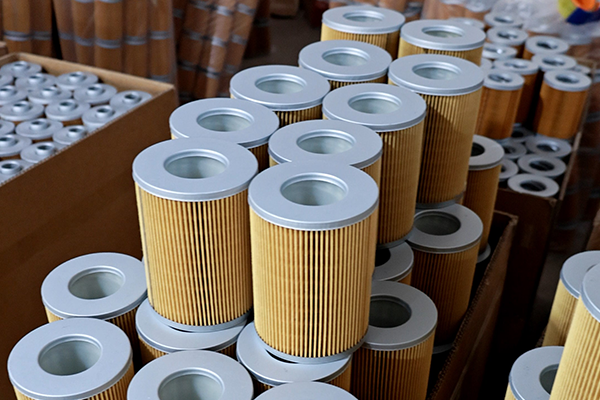
Check the filter media: genuine filters use dense, pleated paper or composite media, while counterfeits may use flimsy or loosely packed materials.
3. Examine the Flow Direction and Valve Mechanisms
Genuine fuel filters have correctly installed bypass valves, check valves, and flow direction arrows aligned with the design.
Counterfeit filters may have non-functional valves or arrows that do not match proper installation, affecting flow and fuel pressure.
4. Check Dimensions and Fit
Genuine filters match the OEM specifications exactly.
Counterfeit filters may have slight dimensional errors, making installation difficult or causing fuel leaks.
5. Test Weight and Media Resistance
Genuine filters often have a slightly higher weight due to dense filtration media.
Low-cost counterfeits may feel unusually light and offer less resistance when air or fuel is pushed through, indicating poor filtration.
6. Price and Supplier Verification
Extremely low prices are often a red flag for counterfeit products.
Purchase only from authorized dealers, certified distributors, or directly from the OEM.
Keep a record of part numbers and verify against the manufacturer’s official catalog.
7. Performance and Engine Behavior
Genuine filters maintain fuel flow, proper pressure, and water separation.
Fake filters may cause reduced engine power, increased fuel consumption, rough idling, or early injector wear.
Conclusion
Counterfeit fuel filters are widespread and can severely damage engines and fuel systems. Identifying genuine filters involves careful inspection of packaging, materials, valve mechanisms, dimensions, and performance. Always purchase from trusted sources, verify OEM part numbers, and remain alert for unusually low prices to ensure the reliability and longevity of your truck’s engine.
References
SAE International – Diesel Fuel Filter Quality and Verification
ISO 4113 – Fuel Filters for Internal Combustion Engines
Bosch Technical Report – Identifying Genuine Fuel Filters vs. Counterfeit Products
Heavy-Duty Truck Maintenance Guidelines – Fuel System Component Verification
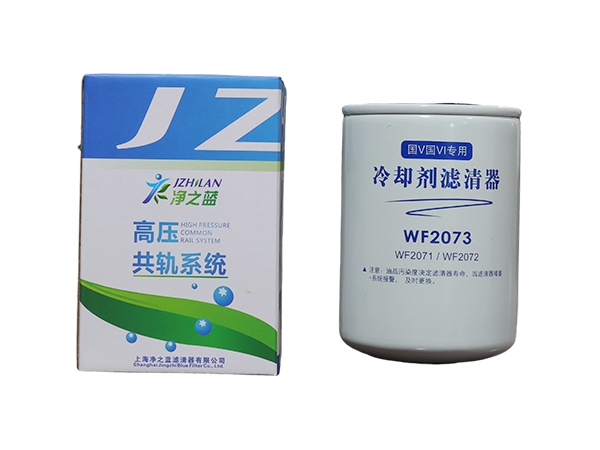
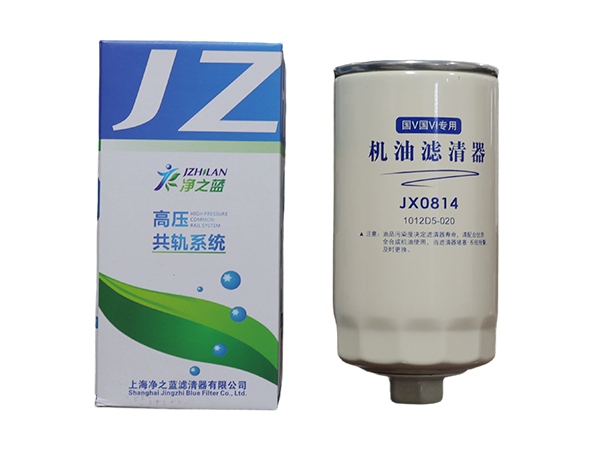
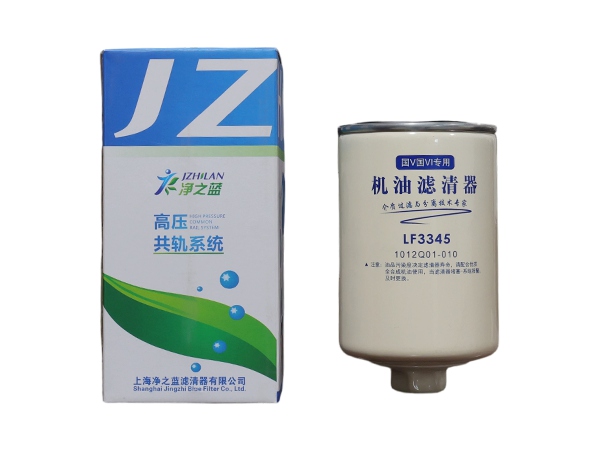
 Recommended Products


 Contact us
—— Contact:Mr. Gao
—— Tel:+86 19565234361
—— Email:gaomark706@gmail.com
—— Url:https://www.jzl-filter.com
—— Address:Hejian City, Cangzhou City, Hebei Province