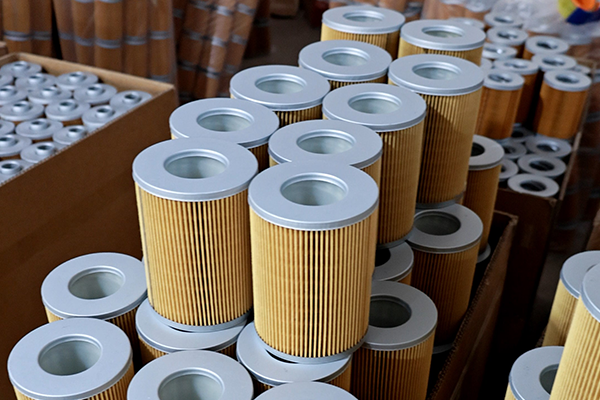

NewsDetails
Risks of Using an Incorrect Oil Filter for Your Engine
author:Chengrui time:2025-12-17 14:05:54 Click:70
Selecting the correct oil filter is crucial for maintaining proper engine lubrication and ensuring long-term engine reliability. Using an incorrect oil filter—whether due to wrong size, flow rating, bypass valve pressure, or filtration efficiency—can lead to a range of engine problems. Below is a detailed explanation of the risks associated with improper oil filter selection.
1. Reduced Filtration Efficiency
An oil filter that is not designed for the engine’s specific oil flow and contaminant load may fail to trap particles effectively. Consequences include:
Circulation of metal particles, carbon deposits, and sludge inside the engine
Increased wear on bearings, camshafts, and cylinder walls
Shortened engine life due to abrasive contamination
2. Oil Starvation and Bypass Valve Issues
Oil filters are equipped with bypass valves to allow oil to flow even when the filter media is clogged or during cold starts. Using an incorrect filter can cause:
High-Pressure Bypass Activation: If the filter’s bypass valve opens at a lower pressure than required, unfiltered oil may circulate continuously.
Oil Restriction: If the filter flow rating is too low, oil may not reach critical components in time, leading to localized oil starvation.
Both situations compromise engine lubrication and increase the risk of severe component damage.
3. Oil Leaks and Improper Sealing
Incorrect filter dimensions or gasket incompatibility can result in:
Oil leaks at the mounting interface
Poor sealing that allows contaminants to enter the lubrication system
Loss of oil pressure, triggering warning lights and engine protection modes
These leaks not only reduce engine performance but also create safety hazards.
4. Accelerated Oil Degradation
Using a filter with inadequate capacity or incompatible media can lead to faster oil contamination:
Shortened oil change intervals
Increased oxidation and sludge formation
Reduced viscosity stability under high-temperature conditions
This diminishes the protective qualities of the engine oil and increases maintenance costs.
5. Potential for Catastrophic Engine Failure
In extreme cases, prolonged use of an incorrect oil filter may lead to:
Bearing failure and crankshaft damage
Overheating of critical components
Engine seizure or total failure requiring costly repairs
Conclusion
Selecting the correct oil filter is essential to maintain engine performance, lubrication efficiency, and longevity. Engine manufacturers specify filters based on flow rate, bypass pressure, filtration efficiency, and size. Using the wrong filter compromises engine protection, accelerates wear, and can ultimately result in costly repairs. Always ensure compatibility with the vehicle’s engine specifications.
References
SAE International, Engine Oil Filtration and Lubrication System Design, SAE Technical Papers.
ISO 4548-1, Methods of Test for Full-Flow Lubricating Oil Filters for Internal Combustion Engines.
Fitch, J. C., Practical Oil Analysis, Noria Corporation.
Totten, G. E., Handbook of Lubrication and Tribology, CRC Press.
 Recommended Products


 Contact us
—— Contact:Mr. Gao
—— Tel:+86 19565234361
—— Email:aomark706@gmail.com
—— Url:https://www.jzl-filter.com
—— Address:Hejian City, Cangzhou City, Hebei Province