
NewsDetails
The Necessity of High-Precision Filtration in Diesel High-Pressure Common Rail Systems
author:Chengrui time:2026-01-04 14:02:27 Click:180
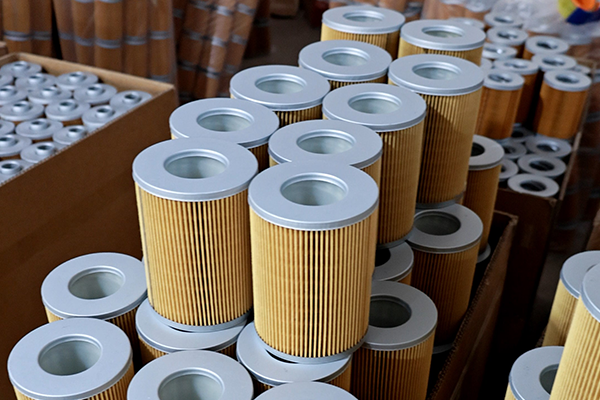
Diesel high-pressure common rail (HPCR) systems operate with extremely high injection pressures, precise fuel metering, and tight component tolerances. Under these conditions, even microscopic contaminants can cause serious performance degradation or system failure. High-precision filtration is therefore not optional, but a fundamental requirement for ensuring reliability, efficiency, and service life.
Extreme Sensitivity of High-Pressure Components
Modern common rail systems operate at pressures exceeding 2,000 bar. Injectors, high-pressure pumps, and control valves are manufactured with micron-level clearances. Solid particles that would be harmless in older mechanical injection systems can cause scoring, seizure, or leakage in HPCR components.
High-precision filtration is essential to prevent abrasive particles from entering these critical interfaces.
Protection of Fuel Injectors and Control Valves
Fuel injectors rely on precise needle movement and accurate spray patterns. Contaminants can cause injector sticking, poor atomization, internal leakage, or delayed injection timing. Even slight wear alters injection characteristics, leading to incomplete combustion, increased emissions, higher fuel consumption, and power loss.
Fine filtration ensures stable injector performance throughout the service life.
Prevention of High-Pressure Pump Wear
The high-pressure fuel pump is one of the most expensive and vulnerable components in a common rail system. Abrasive particles accelerate wear of plungers, cam surfaces, and sealing interfaces. Once wear begins, metal debris generated by the pump itself rapidly contaminates the entire fuel system.
High-precision filtration helps prevent this destructive wear cycle from starting.
Control of Water and Corrosive Contaminants
In addition to solid particles, diesel fuel may contain water and corrosive substances. Water reduces lubrication within high-pressure components and promotes corrosion, especially under high pressure and temperature. Precision filtration systems designed with water separation capability significantly reduce corrosion risk and component fatigue.
This is particularly important in regions with variable fuel quality.
Emissions Compliance and Combustion Stability
Accurate fuel injection is critical for meeting modern emissions regulations. Contaminated fuel disrupts injection timing and spray quality, leading to increased particulate matter, nitrogen oxides, and unburned hydrocarbons. High-precision filtration supports consistent combustion, stable exhaust aftertreatment performance, and long-term emissions compliance.
Reduction of System-Level Failures and Downtime
Failures in common rail systems rarely remain localized. A single contaminated injector or pump often leads to system-wide damage, requiring replacement of injectors, pumps, rails, and lines. High-precision filtration significantly reduces the risk of cascading failures, lowering maintenance costs and vehicle downtime.
Conclusion
High-precision filtration is a critical safeguard for diesel high-pressure common rail systems. By protecting injectors, high-pressure pumps, and control valves from microscopic contaminants and water, fine filtration ensures stable injection performance, emissions compliance, and long-term system durability. As injection pressures continue to rise and tolerances tighten, the importance of precision filtration will only increase.
References
SAE International – Diesel Fuel Injection System Design and Contamination Control
ISO 19438 – Diesel Fuel Filters for Internal Combustion Engines
Bosch Diesel Common Rail System Technical Documentation
 Recommended Products


 Contact us
—— Contact:Mr. Gao
—— Tel:+86 19565234361
—— Email:gaomark706@gmail.com
—— Url:https://www.jzl-filter.com
—— Address:Hejian City, Cangzhou City, Hebei Province