
NewsDetails
What to Do If a Fuel Filter Is Leaking
author:Chengrui time:2026-01-04 14:42:37 Click:197
Fuel filter leaks are a serious concern in trucks and other diesel vehicles. A leaking fuel filter can lead to fuel loss, reduced engine performance, fire hazards, and contamination of the engine compartment. Immediate action is required to prevent damage or safety incidents.
1. Stop the Engine and Ensure Safety
Turn off the engine immediately to prevent fuel from spraying or igniting.
Avoid smoking or open flames near the vehicle.
Wear protective gloves and eyewear when inspecting the fuel system.
2. Identify the Leak Source
Check for loose connections at the inlet and outlet fittings.
Inspect the sealing gasket or O-ring between the filter and housing.
Examine the filter body for cracks, damage, or corrosion.
3. Tighten Connections Carefully
Slightly loose fittings can cause leaks. Use the correct torque recommended by the manufacturer.
Avoid over-tightening, which may damage threads or crush seals.
4. Replace Damaged Components
If the filter housing, filter element, or O-ring is damaged, replace it immediately.
Always use the correct filter type and OEM-recommended parts to ensure proper sealing and flow.
5. Check Fuel Lines and Clamps
Inspect nearby fuel lines for wear, cracks, or loose clamps that could contribute to leakage.
Replace any damaged hoses and secure all clamps.
6. Prime the Fuel System After Replacement
After installing a new filter or replacing seals, bleed or prime the fuel system according to manufacturer instructions.
This ensures there are no air pockets and that the filter functions correctly.
7. Test for Leaks
Start the engine and carefully observe the filter and connections for any signs of leakage.
Do not drive the vehicle until the leak is completely resolved.
Conclusion
Fuel filter leaks require immediate attention to avoid engine damage, safety hazards, and fuel loss. The most common solutions include tightening connections, replacing damaged seals or filters, inspecting fuel lines, and proper system priming. Using OEM-quality filters and following installation guidelines are key to preventing future leaks.
References
SAE International – Diesel Fuel System Maintenance and Safety Guidelines
ISO 4113 – Fuel Filters for Internal Combustion Engines
Heavy-Duty Truck Maintenance Manual – Fuel System Leak Diagnosis
Bosch Technical Report – Fuel Filter Installation and Leak Prevention
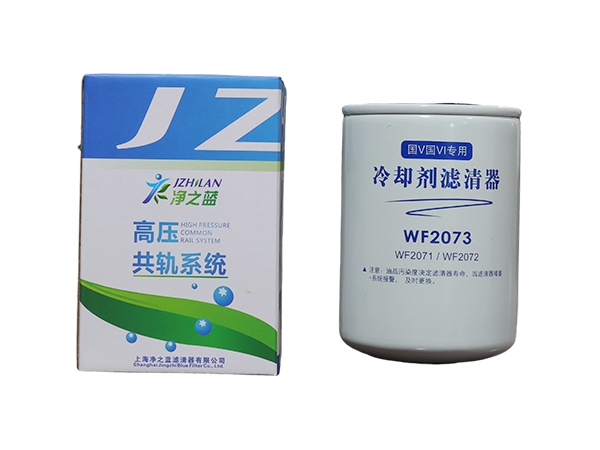
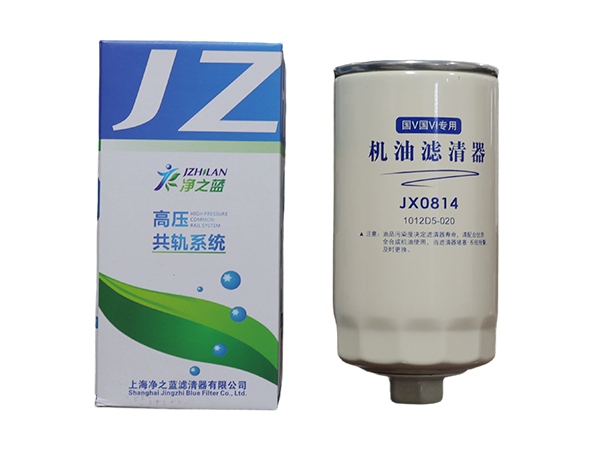
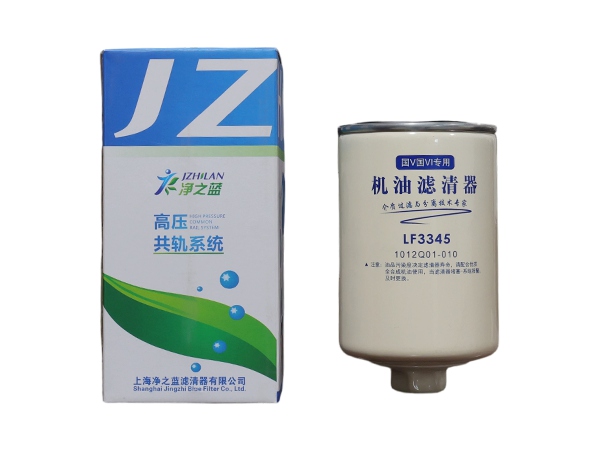
 Recommended Products


 Contact us
—— Contact:Mr. Gao
—— Tel:+86 19565234361
—— Email:aomark706@gmail.com
—— Url:https://www.jzl-filter.com
—— Address:Hejian City, Cangzhou City, Hebei Province