
NewsDetails
A Comprehensive Analysis of Oil Filter Oil Leakage Issues
author:Chengrui time:2025-12-17 10:45:57 Click:64
Oil leakage from an engine oil filter is a common but potentially serious problem that can lead to lubrication failure, engine damage, and environmental contamination. Understanding the root causes of oil filter leakage and how to prevent them is essential for both vehicle maintenance and engine reliability.
One of the most frequent causes of oil filter leakage is improper installation. Over-tightening can deform the sealing gasket or damage the filter housing, while under-tightening may prevent the gasket from fully sealing against the engine mounting surface. In addition, failing to lubricate the rubber gasket before installation can cause uneven compression or gasket tearing during tightening.
Sealing gasket defects are another major contributor to oil leakage. With extended service time, rubber gaskets may harden, crack, or lose elasticity due to prolonged exposure to high temperatures, oil additives, and oxidation. Once the gasket can no longer maintain uniform contact pressure, oil seepage or dripping may occur around the filter base.
Manufacturing defects and material quality issues can also result in leakage. Poor-quality filter housings, weak seam welding, or substandard adhesives may fail under normal operating oil pressure. In such cases, oil may leak from the filter shell, crimp joint, or base plate rather than from the gasket interface.
Excessive oil pressure is another critical factor. Cold starts, blocked oil passages, or malfunctioning pressure relief valves can cause oil pressure spikes that exceed the filter’s design limits. When this happens, the gasket may be forced out of position, or the filter shell may deform, leading to sudden oil leakage.
Incorrect filter selection can further increase leakage risk. Using a filter with incompatible thread size, gasket diameter, or pressure rating may prevent proper sealing or structural stability. Even filters that appear similar can differ in sealing design and pressure tolerance, making correct specification matching essential.
Engine mounting surface issues should not be overlooked. Dirt, old gasket residue, scratches, or uneven surfaces on the engine block can prevent a proper seal. Installing a new filter over a contaminated or damaged mounting surface often results in persistent oil leaks, even when the filter itself is in good condition.
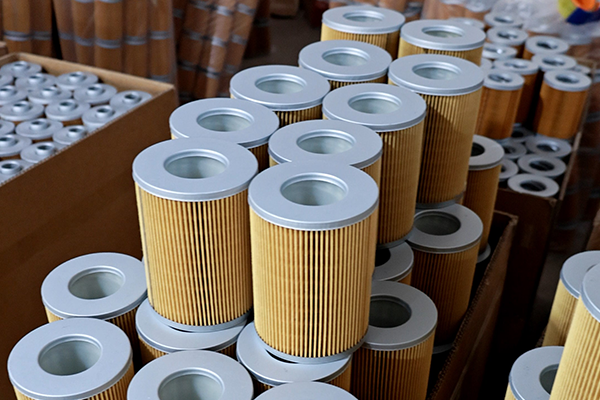
Preventing oil filter leakage requires correct installation procedures, regular inspection, and the use of high-quality filters designed for the specific engine application. Proper torque, gasket lubrication, correct filter selection, and timely replacement all contribute to reliable sealing performance and long-term engine protection.
References
ISO 4548-1: Methods of Test for Full-Flow Lubricating Oil Filters for Internal Combustion Engines.
SAE International, Lubrication System Design and Oil Filter Performance, SAE Technical Papers.
Fitch, J. C., Practical Oil Analysis, Noria Corporation.
Totten, G. E., Handbook of Lubrication and Tribology, CRC Press.
 Recommended Products


 Contact us
—— Contact:Mr. Gao
—— Tel:+86 19565234361
—— Email:gaomark706@gmail.com
—— Url:https://www.jzl-filter.com
—— Address:Hejian City, Cangzhou City, Hebei Province