
NewsDetails
Correlation Between Oil Mist Characteristics in Crankcase Blow-By and Separator Capture Efficiency in Non-Road Engines
author:Chengrui time:2026-01-04 14:21:28 Click:152
Non-road diesel engines, such as those in construction, agricultural, and industrial machinery, generate crankcase blow-by gases during operation. These gases contain oil mist, water vapor, and combustion byproducts. The characteristics of the oil mist—droplet size, concentration, and distribution—directly influence the performance of oil-water separators integrated into crankcase ventilation (CCV) systems. Understanding this relationship is critical for optimizing separator design and ensuring engine reliability.
Oil Mist Characteristics in Crankcase Ventilation
Droplet Size Distribution
Blow-by oil mist contains a wide range of droplet sizes, from submicron (<1 μm) to several tens of microns.
Fine droplets (<5 μm) are difficult to coalesce and capture, while larger droplets (>20 μm) are more easily separated by gravity or centrifugal action.
Oil Mist Concentration
The concentration of oil mist varies with engine load, blow-by rate, and crankcase pressure.
High concentrations can saturate separator media more quickly, leading to increased differential pressure and potential bypass flow.
Temperature and Humidity Effects
Low-temperature operation may increase condensate formation, leading to emulsified oil-water droplets.
High humidity or water vapor in blow-by gases alters droplet coalescence behavior, impacting capture efficiency.
Droplet Dynamics
Droplet velocity and turbulence in the blow-by stream affect residence time in the separator.
High flow velocities or pulsating blow-by can reduce coalescence efficiency if separator media are not properly designed.
Separator Capture Efficiency
Influence of Droplet Size
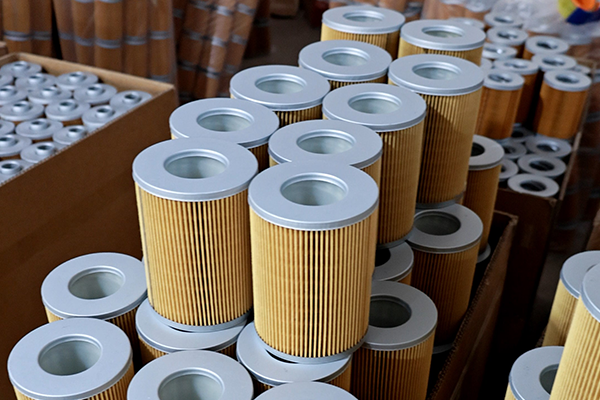
Coalescing media capture larger droplets more effectively, while nanofiber or multi-layer media are required to trap submicron droplets.
Separator efficiency is commonly defined as the percentage of oil mass removed from the blow-by stream. Efficiency increases with proper media selection and staged separation.
Media Surface Properties
Hydrophobic or oleophobic coatings enhance coalescence and drainage of captured oil droplets.
Media porosity and pleat design influence flow path and contact time, affecting capture efficiency.
Flow Rate and Residence Time
Higher blow-by flow rates reduce residence time in the separator, potentially lowering efficiency for fine droplets.
Proper sizing and flow path design ensure adequate residence time for droplet coalescence and collection.
Oil-Water Interaction
Condensed water in blow-by gases can combine with oil mist, forming emulsions that are harder to separate.
Multi-stage separators with coalescing and water-trap stages improve overall capture efficiency.
Design Implications
Multi-Stage Separation: Combining coarse droplet pre-separation with fine coalescing media ensures high capture efficiency across the full droplet size spectrum.
Optimized Media Selection: Nanofiber or composite media are necessary for submicron oil droplets, while support layers maintain mechanical stability under high blow-by rates.
Flow Path Engineering: Smooth, turbulence-minimizing flow channels and adequate separator volume improve residence time for coalescence.
Temperature and Humidity Adaptation: Materials and media must perform consistently across varying operating conditions, including high humidity and cold-start condensation.
Conclusion
Oil mist characteristics in crankcase blow-by, including droplet size, concentration, and interaction with water vapor, have a direct impact on the capture efficiency of oil-water separators in non-road engines. High-efficiency separation requires careful media selection, multi-stage design, and optimized flow paths to handle the full spectrum of droplet sizes and concentrations. Properly designed separators protect engine components, reduce oil consumption, and maintain CCV system reliability across diverse operational conditions.
References
SAE International – Crankcase Ventilation and Oil Mist Separation in Diesel Engines
ISO 8178 – Measurement of Blow-By and Emission Characteristics in Non-Road Engines
Bosch Technical Report – Oil-Water Separator Design and Efficiency Analysis
Heavy-Duty Non-Road Engine Maintenance Guidelines – CCV and Oil Mist Management
 Recommended Products


 Contact us
—— Contact:Mr. Gao
—— Tel:+86 19565234361
—— Email:aomark706@gmail.com
—— Url:https://www.jzl-filter.com
—— Address:Hejian City, Cangzhou City, Hebei Province