
NewsDetails
Strict Fuel Cleanliness Requirements of High-Pressure Common Rail Systems
author:Chengrui time:2026-01-04 14:06:55 Click:79
High-pressure common rail (HPCR) diesel systems rely on extremely precise fuel metering and ultra-high injection pressures. Compared with traditional diesel injection systems, HPCR technology places far more stringent demands on fuel cleanliness. Even microscopic contamination can directly affect system performance, reliability, and service life.
Extremely High Operating Pressure and Tight Tolerances
Modern common rail systems operate at injection pressures exceeding 2,000 bar, with some applications approaching even higher levels. Key components such as injectors, control valves, and high-pressure pumps are manufactured with micron-level clearances.
Solid particles that would pass unnoticed in older mechanical systems can cause scuffing, leakage, or seizure in common rail components, making strict fuel cleanliness essential.
Sensitivity of Precision Injectors
Common rail injectors depend on precise needle movement and accurate spray patterns to ensure efficient combustion. Contaminated fuel can cause injector sticking, poor atomization, internal leakage, or delayed response.
These issues lead to unstable combustion, increased fuel consumption, power loss, and elevated emissions, directly impacting engine performance and regulatory compliance.
Protection of High-Pressure Fuel Pumps
The high-pressure pump is both a critical and costly component. Abrasive particles accelerate wear of plungers, cams, and sealing surfaces. Once wear begins, metallic debris generated by the pump can rapidly contaminate the entire fuel system, triggering cascading failures.
High fuel cleanliness is the first line of defense against this destructive cycle.
Control of Water and Corrosive Contaminants
In addition to solid particles, diesel fuel often contains dissolved or free water. Under high pressure and temperature, water reduces lubrication, promotes corrosion, and increases fatigue of precision components.
Strict cleanliness standards therefore include effective water separation and control, not just particle filtration.
Impact on Emissions and Aftertreatment Systems
Fuel contamination disrupts injection timing and spray quality, leading to incomplete combustion. This increases particulate matter, unburned hydrocarbons, and nitrogen oxides, placing additional stress on exhaust aftertreatment systems.
Maintaining clean fuel supports stable combustion and long-term emissions system durability.
Extended Service Life and System Reliability
High-pressure common rail systems are designed for long service life, but only under controlled cleanliness conditions. Clean fuel reduces wear rates, stabilizes injection performance, and minimizes unexpected downtime.
This is especially important for commercial vehicles operating under high mileage and heavy-duty conditions.
Conclusion
High-pressure common rail systems impose extremely strict requirements on fuel cleanliness due to ultra-high operating pressures, tight component tolerances, and precise injection control. Effective removal of solid particles and water is essential to protect injectors, high-pressure pumps, and control valves, ensuring reliable performance, emissions compliance, and long-term durability.
References
SAE International – Diesel Fuel Cleanliness and Common Rail System Reliability
ISO 4406 – Hydraulic Fluid Cleanliness Classification
ISO 19438 – Diesel Fuel Filters for Internal Combustion Engines
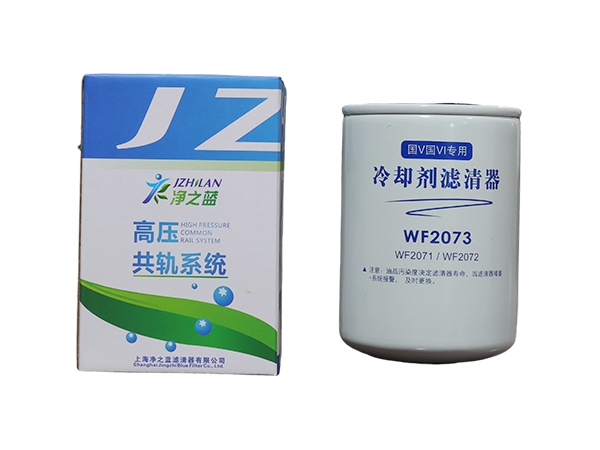
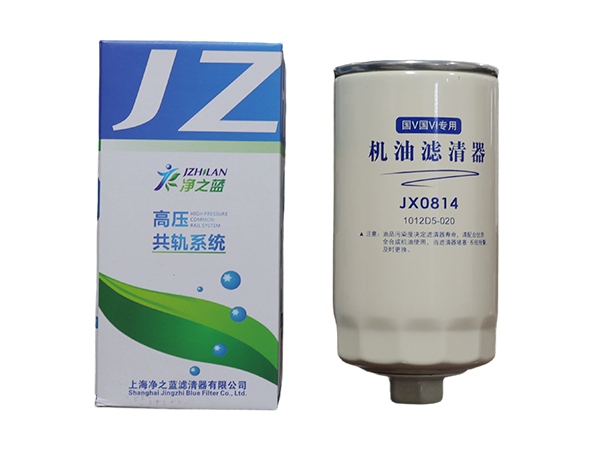
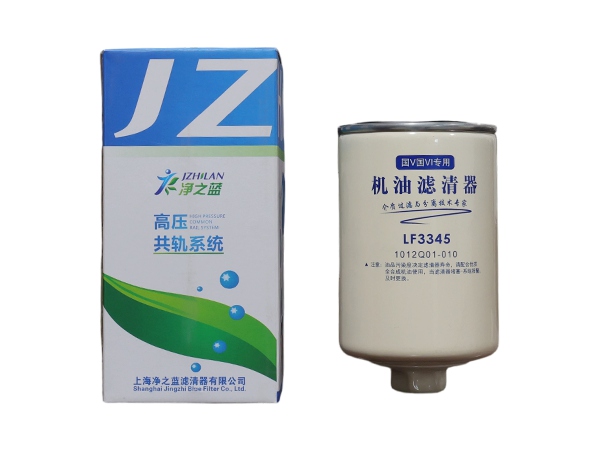
 Recommended Products


 Contact us
—— Contact:Mr. Gao
—— Tel:+86 19565234361
—— Email:gaomark706@gmail.com
—— Url:https://www.jzl-filter.com
—— Address:Hejian City, Cangzhou City, Hebei Province