
NewsDetails
Wax Plugging in Filters under Low-Temperature Conditions and Anti-Freeze Solutions
author:Chengrui time:2026-01-04 14:10:03 Click:108
Diesel fuel and engine lubrication systems face significant challenges in low-temperature environments. One common issue is wax deposition and filter plugging, which can restrict fuel or oil flow, impair engine performance, and even cause start-up failures. Understanding the mechanisms of wax plugging and effective prevention methods is essential for maintaining reliable operation in cold climates.
Mechanism of Wax Plugging
Diesel fuel contains paraffinic hydrocarbons that can crystallize at low temperatures. As fuel cools below the cloud point, wax crystals begin to form and accumulate on filter media surfaces. Over time, these crystals can coalesce and block the filter pores, creating high resistance to fuel flow or even complete blockage.
In oil filters, cold ambient temperatures increase oil viscosity, and combined with contaminants, can lead to partial obstruction or delayed flow. This phenomenon is especially critical for high-pressure common rail systems and heavy-duty engines, where rapid fuel or oil delivery is essential.
Symptoms of Wax-Related Filter Blockage
Slow engine cranking or delayed startup due to restricted fuel flow.
Sudden loss of power or misfiring in cold conditions.
Abnormally high pressure upstream of the filter, triggering bypass valve operation.
Frequent cold-start alarms or warning lights in modern vehicles.
Early detection is crucial to prevent damage to injectors, pumps, and other critical components.
Anti-Freeze and Prevention Solutions
Low-Temperature Fuel Additives
Pour-point depressants reduce wax crystallization temperature, allowing fuel to remain fluid at lower temperatures.
Additives help prevent crystal formation within the filter and fuel lines.
Filter Design Optimization
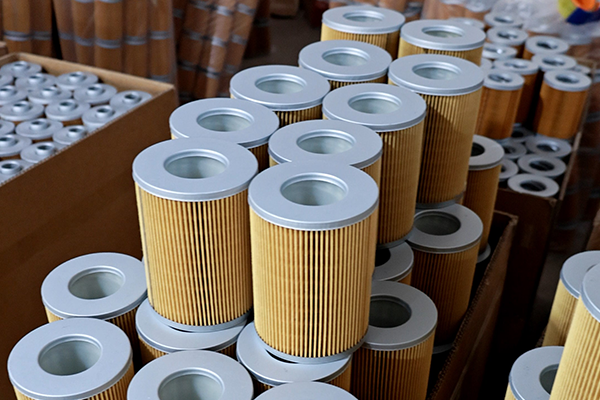
Incorporating larger surface area, pleated or multi-stage media improves flow capacity under cold conditions.
Use of hydrophobic or smooth-surfaced filter media reduces wax adhesion and accumulation.
Fuel Pre-Heating Systems
Inline fuel heaters or heated filter housings maintain fuel above the cloud point during cold starts.
Electrically or coolant-powered heaters are commonly integrated in heavy-duty trucks operating in sub-zero climates.
Engine Block or Fuel Line Insulation
Insulating fuel lines and filter housings slows heat loss and prevents rapid fuel cooling.
Minimizes wax formation in critical flow paths.
Cold-Climate Fuel Selection
Using winter-grade diesel or biodiesel blends formulated for low-temperature operation reduces the risk of wax deposition.
Regular Maintenance and Early Replacement
Monitoring differential pressure and replacing filters before blockage occurs ensures flow stability during cold weather.
Multi-stage or nanofiber filters with high dirt-holding capacity also help mitigate wax accumulation.
Conclusion
Wax plugging in filters under low-temperature conditions poses a serious risk to diesel and engine lubrication systems. Preventive measures include using low-temperature additives, filter design improvements, fuel pre-heating, insulation, and appropriate cold-weather fuel selection. Proactive maintenance and anti-freeze solutions ensure reliable engine start-up, stable fuel flow, and protection of high-pressure components in extreme climates.
References
SAE International – Diesel Fuel Cold Flow Properties and Filter Performance
ISO 19438 – Diesel Fuel Filters for Internal Combustion Engines
Heavy-Duty Vehicle Maintenance Guidelines for Cold Climates
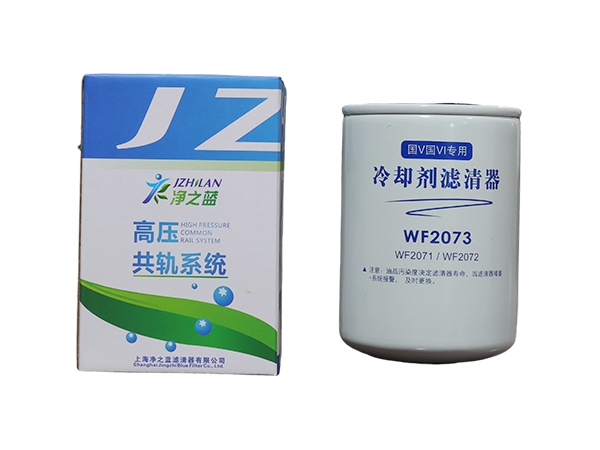
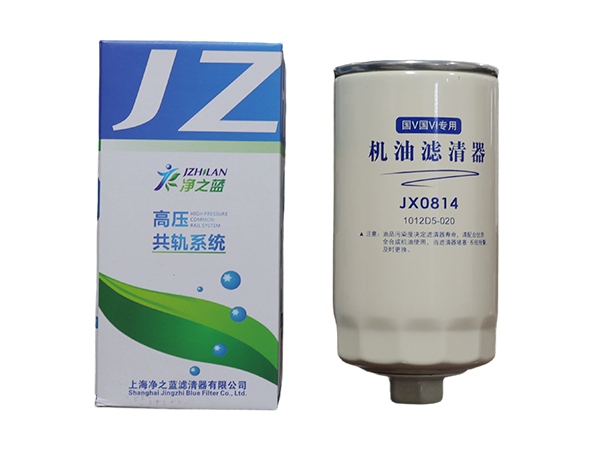
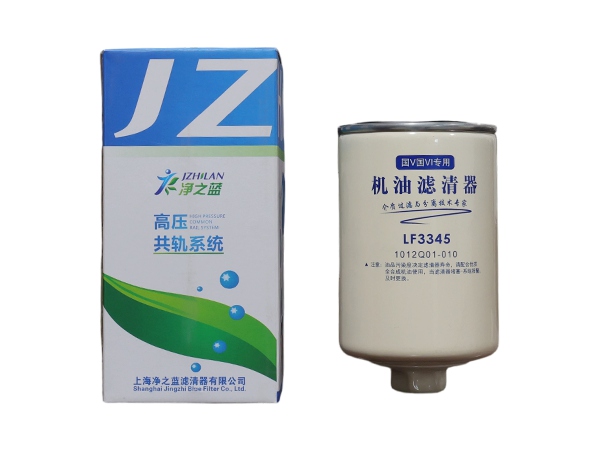
 Recommended Products


 Contact us
—— Contact:Mr. Gao
—— Tel:+86 19565234361
—— Email:gaomark706@gmail.com
—— Url:https://www.jzl-filter.com
—— Address:Hejian City, Cangzhou City, Hebei Province