
NewsDetails
Emission Standards and Filtration: What Euro VI and China VI Mean for Filter Selection
author:Chengrui time:2026-09-26 13:15:26 Click:174
Modern emission regulations — Euro VI in Europe, China VI (国六) in China, and comparable standards elsewhere — did far more than add a sensor or two to the exhaust. They fundamentally changed how diesel engines manage air, fuel, and post-combustion treatment. Filtration, often thought of as a separate maintenance concern, is now directly tied to compliance. A neglected filter can push an otherwise clean engine out of spec.
The Aftertreatment Chain Depends on Clean Inputs
Euro VI and China VI engines use a multi-stage aftertreatment system: a diesel oxidation catalyst (DOC), a diesel particulate filter (DPF), and a selective catalytic reduction (SCR) system with urea injection (AdBlue/DEF). Each stage is sensitive to what comes upstream.
The DPF traps soot particles that the combustion process produces. But excessive soot loading — often driven by incomplete combustion from restricted air or fuel filters — accelerates regeneration cycles. More frequent regen means more fuel burned and more thermal stress on the DPF. In extreme cases, a clogged DPF triggers a derate: the engine computer limits power until the issue is resolved.
The SCR system is even more unforgiving about contamination. DEF (urea solution) must be pure; even small amounts of dirt or the wrong fluid in the DEF tank can foul the dosing injector or poison the catalyst. Dedicated DEF filtration at fill and in-line is now a compliance item, not an option.
How Air and Fuel Filtration Feed Compliance
Restricted air filters cause rich-running conditions and higher soot output — directly loading the DPF faster. Contaminated fuel, poorly filtered, can damage injectors and disrupt the precise metered spray pattern the engine needs for clean combustion. Both failure modes route back to basic filtration discipline.
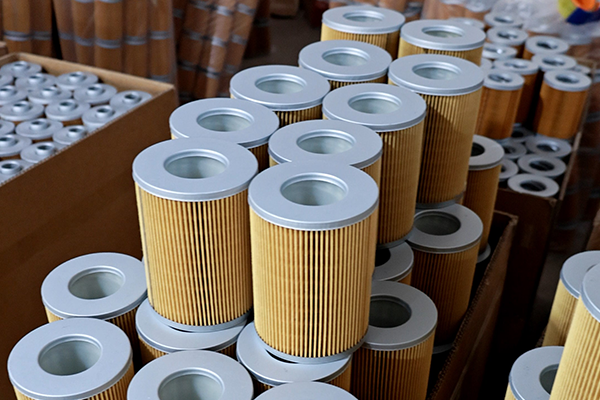
This is why many OEMs tightened their filter specifications simultaneously with emission upgrades. A heavy duty fuel filter on a China VI engine is typically specified finer than its Euro V or China V predecessor, because the injection system it protects now operates at higher precision and pressure. Using an underspecified filter isn't just a maintenance shortcut — it's a potential compliance risk.
DEF and the New Filtration Reality
Diesel exhaust fluid introduced an entirely new filtration requirement to the maintenance world. DEF is 32.5% urea in deionized water; any contamination degrades its effectiveness or damages the SCR system. Best practices now include:
Filtering DEF at the dispensing nozzle or bulk transfer point.
Keeping DEF tanks sealed and using only certified fluid.
Replacing in-line DEF filters on schedule, since they also protect the dosing pump.
Ignoring DEF filtration is one of the faster ways to a costly SCR replacement — a repair that can run into the thousands and take a vehicle off the road for weeks.
Practical Takeaways for Fleets
Operating under strict emission standards doesn't require exotic maintenance — it requires disciplined maintenance. The fundamentals still apply: use correctly specified filters, change them on schedule (adjusted for severe duty), monitor restriction and contamination, and treat DEF as the sensitive fluid it is.
For operators running cross-border or exporting equipment, it's worth noting that filter specifications may differ by the emission tier the engine was built to. A China VI truck and a China V truck from the same manufacturer may call for different filter media ratings. Matching the filter to the engine's emission design — not just its make and model — is the safest approach.
References
European Commission. (2019). Regulation (EC) No 595/2009 as amended: Euro VI Emission Standards for Heavy Duty Vehicles. Official Journal of the EU.
China Ministry of Ecology and Environment. (2020). GB 17691-2018: Limits and Measurement Methods for Emissions from Heavy-Duty Diesel Vehicles (China VI).
SAE International. (2021). SAE J1939-84: Guidance on Aftertreatment and Filtration Interactions. Society of Automotive Engineers.
ICCT (International Council on Clean Transportation). (2022). Diesel Aftertreatment Reliability and the Role of Upstream Filtration. ICCT Working Paper.
U.S. EPA. (2020). Heavy-Duty Engine and Vehicle Standards: Filtration and DEF Handling Guidance. EPA Technical Report.
 Recommended Products


 Contact us
—— Contact:Mr. Gao
—— Tel:+86 19565234361
—— Email:gaomark706@gmail.com
—— Url:https://www.jzl-filter.com
—— Address:Hejian City, Cangzhou City, Hebei Province