
NewsDetails
Engine Oil Filter Materials and Manufacturing Process Explained
author:Chengrui time:2026-05-07 17:19:39 Click:162
An engine oil filter might appear to be a simple metal canister, but its interior is a precisely engineered component crafted to shield your engine from harmful contaminants. The performance, durability, and filtration efficiency of an oil filter are largely determined by the materials used in its construction and the manufacturing processes employed. In this article, we will break down the key materials utilized in engine oil filters and explain their manufacturing process in a step-by-step manner.
1. Main Materials Used in Engine Oil Filters
A typical engine oil filter is composed of several components, each made from specific materials selected for their strength, heat resistance, and filtration efficiency. These materials work together to ensure the filter functions effectively under harsh engine conditions.
1.1 Filter Media (Core Filtration Material)
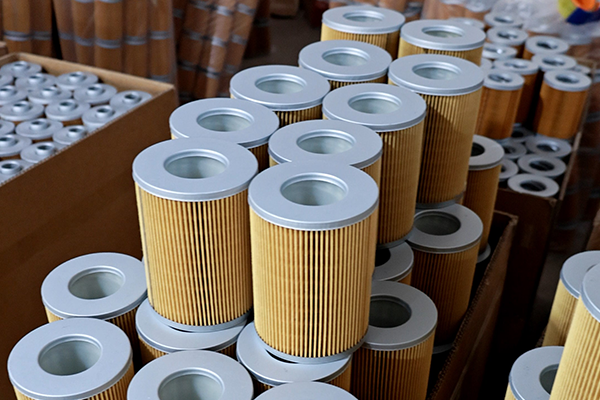
The filter media is the most critical part of an oil filter, as it is responsible for trapping and removing contaminants from the engine oil. Without high-quality filter media, the filter cannot effectively protect the engine. Common materials used for filter media include:
Cellulose (paper-based media): Economically efficient and widely used in standard oil filters, it is suitable for regular driving conditions where contaminants are not excessive.
Synthetic fibers: Offer higher filtration efficiency compared to cellulose, can trap smaller particles, and have a longer service life, making them ideal for demanding driving scenarios.
Blended media (cellulose + synthetic): Combines the affordability of cellulose with the improved performance of synthetic fibers, striking a balance between cost and functionality.
High-quality oil filters often adopt multi-layer synthetic media, which provides better dirt-holding capacity and maintains stable oil flow even as contaminants accumulate.
1.2 Metal Housing (Canister)
The outer metal housing, also known as the canister, serves to protect the internal components of the filter from pressure, impact, and external damage. Materials commonly used for the housing include:
Cold-rolled steel (the most widely used material due to its strength and cost-effectiveness)
Aluminum (used in some lightweight filter designs to reduce overall vehicle weight)
The housing must be able to withstand various harsh conditions, such as high oil pressure, engine vibration, and frequent temperature fluctuations.
1.3 End Caps and Center Tube
End caps and center tubes play important structural roles in the oil filter:
End caps: Seal the filter media in place, preventing oil from bypassing the media and ensuring all oil passes through the filtration layer.
Center tube: Provides structural support for the filter media and creates a channel to allow oil flow through the filter.
Materials used for these components:
Steel (the most common choice, offering strong structural support)
High-strength plastic (used in some modern, lightweight filter designs to reduce weight and cost)
1.4 Rubber Gaskets and Seals
Rubber gaskets and seals are essential for creating a tight, leak-free connection between the oil filter and the engine. They prevent oil leakage, which could lead to insufficient lubrication and engine damage. Materials used for gaskets and seals:
Nitrile rubber (NBR): Widely used due to its good oil resistance and durability under normal engine temperatures.
Silicone rubber: Used in high-temperature applications, as it maintains its flexibility and sealing performance even under extreme heat.
1.5 Anti-Drain Back Valve (Optional in Some Filters)
The anti-drain back valve is an optional but useful component that prevents engine oil from draining back into the engine when the vehicle is turned off. This ensures that the engine is immediately lubricated when it is started again. Material used for the anti-drain back valve:
Flexible rubber or silicone, which can effectively seal and open as needed to control oil flow.
2. Engine Oil Filter Manufacturing Process
The production of an engine oil filter involves multiple precision-controlled steps, each designed to ensure the filter’s durability, performance, and reliability. Strict quality control is maintained throughout the process to meet industry standards.
Step 1: Material Preparation
First, all raw materials—including steel sheets, filter paper (or synthetic media), rubber compounds, and plastic (if used)—are inspected for quality to ensure they meet the required specifications. Once approved, the materials are prepared for production:
Steel sheets are cut into the appropriate size and shape for the housing and other metal components.
Filter media (paper or synthetic) is rolled and cut to the required dimensions.
Rubber materials are mixed and molded into gaskets, seals, and anti-drain back valves (if applicable).
Step 2: Filter Media Pleating
The filter media (paper or synthetic) is folded into a pleated structure using specialized equipment.
 Recommended Products


 Contact us
—— Contact:Mr. Gao
—— Tel:+86 19565234361
—— Email:gaomark706@gmail.com
—— Url:https://www.jzl-filter.com
—— Address:Hejian City, Cangzhou City, Hebei Province