
NewsDetails
Building a Fleet Filter Management Program That Actually Reduces Downtime
author:Chengrui time:2026-10-04 15:14:41 Click:161
Filters are cheap. Downtime is not. Yet most fleets manage filters reactively — a truck comes in with a complaint, a technician finds a clogged element, and the vehicle loses a day it couldn't afford to lose. A structured filter management program flips that dynamic, turning a scattered consumable into a controlled, predictable line item that protects uptime.
Step 1: Standardize the Filter Catalog
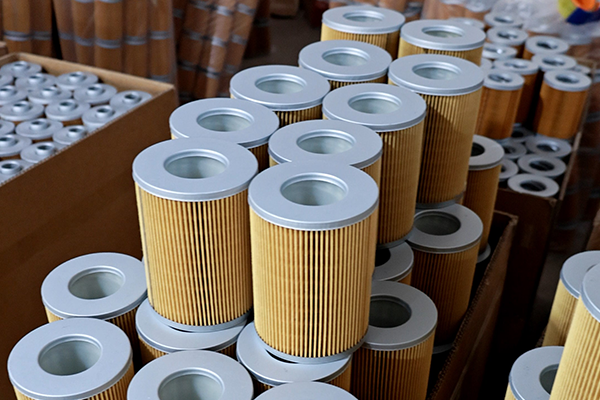
The first move is to stop running a thousand different filter part numbers. Audit every vehicle and piece of equipment, map each to its required filter specifications, and consolidate. Most fleets discover they can cover the majority of their units with a surprisingly small approved list — especially if they permit vetted cross-references.
Standardization pays off in three ways: bulk purchasing leverage, simpler inventory, and fewer installation errors. A technician grabbing the wrong filter because ten similar-looking cans sit on the shelf is a preventable failure mode that disappears with a tight catalog.
Step 2: Schedule by Condition, Not Just Mileage
Mileage-based intervals are a starting point, not a finish line. Severe-duty vehicles — those in dust, extreme temperatures, or heavy idling — need shorter intervals. The program should incorporate condition signals: air filter restriction gauges, fuel water bowl inspections, and oil analysis trends.
Oil analysis deserves special mention. A regular sampling program reveals when a filter is doing its job versus when contaminant loading is rising faster than expected. Over time, the data tells you whether your intervals are conservative (wasting money) or aggressive (risking wear). Adjusting based on evidence, not the manual's generic assumptions, is where programs mature.
Step 3: Control Inventory and Expiry
Filters have shelf lives, especially those with chemical charges (coolant conditioners) or paper media that degrades in humid storage. A filter management program tracks stock levels, rotates inventory (first-in-first-out), and stores elements in a dry, clean environment. Nothing is worse than installing a "new" filter that spent two years absorbing moisture in a leaky warehouse.
Set par levels per location so remote depots never run dry and central stores never overstock. Modern fleet management software can automate reorder points, but even a well-maintained spreadsheet beats no system at all.
Step 4: Train and Document
A program is only as good as the technician executing it. Training should cover correct filter handling (no compressed-air blowouts on air elements, proper priming of oil and fuel filters, verified seal seating) and the why behind each step. Documentation — a simple checklist completed at every service — builds the historical record that turns anecdote into trend.
Capture, at minimum: vehicle ID, date, hours/mileage, filter part numbers installed, and any observations (water in fuel bowl, metal in oil filter, restriction gauge reading). Over a year, this dataset reveals which routes, loads, or seasons stress filtration most.
Step 5: Measure the Outcome
The point of the program is fewer breakdowns and lower total cost. Track unplanned filter-related downtime, premature component failures (turbo, injectors, pumps), and total spend on filters plus associated repairs. A mature program typically shows a decline in emergency repairs within the first year, with savings far exceeding the administrative effort.
Fleet managers who commit to this discipline often find filters become one of the most predictable, controllable cost centers they have — the opposite of the reactive scramble most operations tolerate by default.
References
TMC (American Trucking Associations' Technology & Maintenance Council). (2021). Recommended Practices for Fleet Preventive Maintenance Programs. ATA TMC.
U.S. Department of Energy, Fleet Management. (2020). Preventive Maintenance and Uptime: A Fleet Operator's Guide. DOE Technical Report.
SAE International. (2019). Condition-Based Maintenance for Commercial Vehicle Fleets. SAE Technical Paper Series.
Fleet Maintenance Magazine. (2022). The Economics of Standardized Filter Programs. Industry Report.
National Institute for Automotive Service Excellence (ASE). (2018). Medium/Heavy Duty Truck Preventive Maintenance Standards. ASE Education Foundation.
 Recommended Products


 Contact us
—— Contact:Mr. Gao
—— Tel:+86 19565234361
—— Email:gaomark706@gmail.com
—— Url:https://www.jzl-filter.com
—— Address:Hejian City, Cangzhou City, Hebei Province