
NewsDetails
Fuel System Protection Best Practices for Fleet Management
author:Chengrui time:2026-07-09 15:26:45 Click:102
Comprehensive Fuel System Protection Strategies
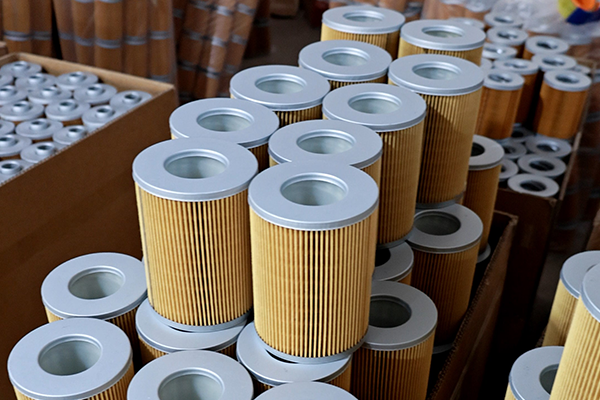
Fleet managers face the ongoing challenge of maintaining vehicle reliability while controlling operating costs. The fuel system represents one of the most critical and vulnerable subsystems in any fleet vehicle. Implementing comprehensive protection strategies centered on high-quality filtration significantly reduces breakdowns and extends vehicle lifespan. These strategies must address multiple contamination sources: particulate matter from fuel storage and dispensing, water intrusion from condensation, and microbial growth in diesel fuel. A multi-stage filtration approach, combining water separators with primary and secondary fuel filters, provides robust protection against these threats.
Establishing Standardized Maintenance Protocols
Consistency is the cornerstone of effective fleet maintenance. Standardized protocols ensure every vehicle receives appropriate filtration care regardless of which technician performs the service. These protocols should specify filter change intervals based on operating conditions, not just mileage or hours. Vehicles operating in severe environments – dusty construction sites, for example – require more frequent filter changes. Documented procedures also facilitate training of new technicians and enable performance tracking across the fleet. Partnering with a reliable filter supplier helps develop these protocols, as they can provide application-specific recommendations and training resources to ensure your team implements best practices consistently.
Selecting Quality Filtration Products for Diverse Fleets
Fleet operations typically manage diverse vehicle types: heavy duty trucks, medium duty delivery vehicles, light duty service vans, and sometimes specialized equipment. Each category has distinct filtration requirements. Selecting a filter supplier or manufacturer capable of providing quality products across this range simplifies procurement and ensures consistent protection. When evaluating filters, consider not just purchase price but also dirt-holding capacity, efficiency ratings, and compatibility with your vehicles' fuel systems. Some suppliers offer fleet-specific programs that include consolidated invoicing, emergency stocking, and volume pricing – valuable services that reduce administrative burden while ensuring filter availability.
Monitoring Fuel System Health Through Data
Modern fleet management relies heavily on data to optimize operations. Fuel system health should be part of this data-driven approach. Tracking fuel economy trends across the fleet can reveal vehicles with restricted filters before symptoms become severe. Some advanced fleets incorporate fuel pressure monitoring into their telematics systems, providing real-time alerts when pressure drops indicative of filter restriction. Used fuel analysis, though less common than oil analysis, can also provide valuable insights into filtration effectiveness and fuel quality. Filter suppliers with technical support capabilities can help interpret this data and recommend corrective actions, transforming raw information into actionable maintenance insights.
Training Technicians on Filtration Best Practices
Even the best filters perform poorly if installed incorrectly. Technician training represents a high-return investment for fleet operations. Training should cover proper filter selection, correct installation procedures (including lubrication of seals and proper torque specifications), and bleeding air from fuel systems after filter changes. Hands-on training sessions conducted by knowledgeable filter supplier representatives provide technicians with confidence and competence. Additionally, training should emphasize the importance of using clean funnels and containers when handling new filters and fuel to avoid introducing contaminants during maintenance. Well-trained technicians become a frontline defense against fuel system issues.
Building Resilient Supply Chains for Filter Inventory
Fleet operations cannot tolerate extended downtime waiting for filter deliveries. Building resilient supply chains ensures critical filter inventory is always available. This might involve maintaining on-site stock of fast-moving filter part numbers, establishing consignment inventory with your supplier, or implementing vendor-managed inventory programs. The goal is to eliminate stockouts that could force extended vehicle downtime or, worse, compel use of inferior filters purchased from retail sources. Developing strong relationships with established filter suppliers creates partnerships where your operational requirements drive their service levels. This collaborative approach to inventory management supports fleet reliability while optimizing working capital tied up in spare parts inventory.
References
1. Fleet Management Weekly - "Comprehensive Fuel System Protection Strategies" (2024)
2. American Trucking Associations - "Maintenance Council Recommended Practices for Fleet Fuel Systems"
3. Heavy Duty Trucking Magazine - "Data-Driven Fleet Maintenance Optimization" (2023)
4. Society of Fleet Professionals - "Selecting Filtration Partners for Diverse Fleets"
5. Fleet Equipment - "Technician Training: The Key to Effective Filtration Maintenance" (2024)
 Recommended Products


 Contact us
—— Contact:Mr. Gao
—— Tel:+86 19565234361
—— Email:gaomark706@gmail.com
—— Url:https://www.jzl-filter.com
—— Address:Hejian City, Cangzhou City, Hebei Province