
NewsDetails
Gasoline Fuel Filter Structure and Performance Guide
author:Chengrui time:2026-02-14 20:03:46 Click:112
Understanding the gasoline fuel filter is essential for protecting engine fuel systems, maintaining combustion efficiency, and extending overall vehicle life. In modern gasoline engines, fuel injectors and pumps operate with extremely tight tolerances. Even small contaminants can disrupt spray patterns, reduce power output, and increase long-term wear.
A reliable gasoline fuel filter removes harmful particles before fuel reaches sensitive components. Behind consistent performance is professional manufacturer production and scalable factory production, ensuring structural accuracy, stable filtration efficiency, and dependable bulk supply. This guide explains the gasoline fuel filter structure, performance principles, and why proper filtration design matters for engine reliability.
What Is a Gasoline Fuel Filter?
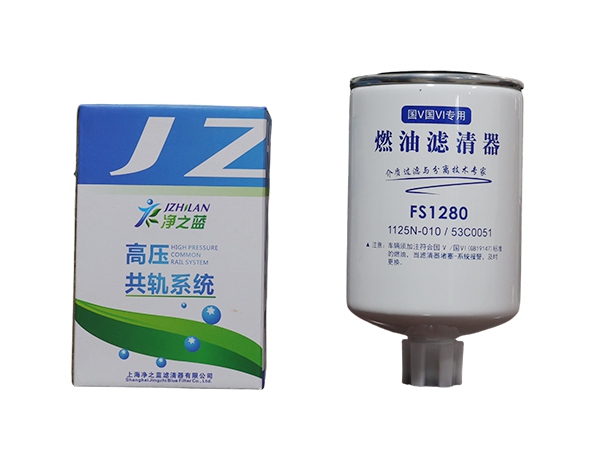
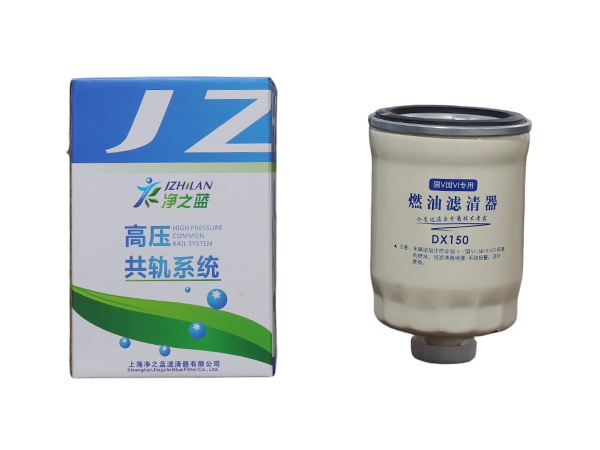
A gasoline fuel filter is a filtration device installed in the fuel delivery system to remove contaminants from gasoline before it enters the injectors or carburetor. Fuel contamination can come from:
·Rust inside fuel tanks
·Dust and debris during refueling
·Degraded fuel lines
·Sediment from storage systems
Without proper filtration, these particles travel with the fuel and cause injector blockage, uneven combustion, pump damage, and reduced fuel efficiency.
The core value of a gasoline fuel filter lies in maintaining clean, stable fuel flow while preserving system pressure. Through controlled factory production, filters are manufactured with precise tolerances to match different gasoline engine requirements.
Basic Structure of a Gasoline Fuel Filter
To understand performance, it helps to look at the internal structure that supports a gasoline fuel filter. Typical components include:
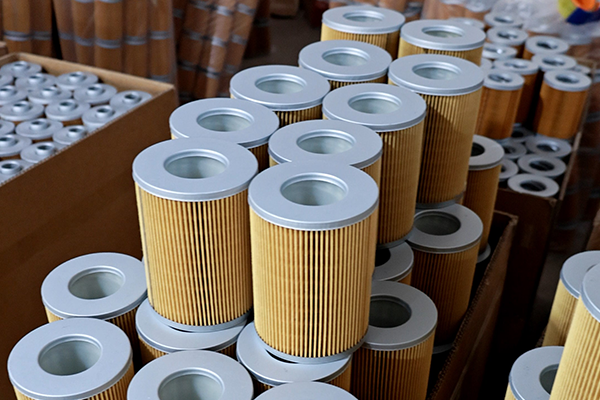
·Filter media for trapping contaminants
·Metal or polymer housing for pressure resistance
·Inlet and outlet ports for fuel routing
·End caps and seals for leak prevention
·Internal support tube for structural stability
Each element works together to ensure gasoline passes smoothly while contaminants remain trapped inside the media.
During manufacturer production, media pleating and housing forming are tightly controlled to maintain consistent filtration area and mechanical strength in bulk supply.
Filtration Media and Its Role
The heart of any gasoline fuel filter is the filtration media. It is usually made from:
·Cellulose fibers
·Synthetic materials
·Blended composite layers
These materials contain microscopic pores that allow gasoline molecules to pass while capturing solid particles. Larger particles are stopped on the surface, while smaller contaminants are retained deeper in the media structure.
This layered capture process improves dirt-holding capacity without excessively restricting fuel flow.
Proper media selection during factory production balances filtration efficiency with flow performance, ensuring injectors receive clean fuel without pressure loss.
Gasoline Fuel Filter Flow and Pressure Stability
Fuel systems rely on stable pressure for proper atomization and combustion. If fuel flow is unstable, engines may experience hesitation, misfires, or power loss.
A well-designed gasoline fuel filter ensures:
·Even fuel distribution
·Low flow resistance
·Stable downstream pressure
·Consistent injector supply
Internal support structures prevent media collapse under pressure, while precise port geometry maintains smooth gasoline movement.
Through professional manufacturer production, flow testing and pressure calibration help ensure the gasoline fuel filter performs reliably across temperature and load variations.
Contamination Control and Engine Protection
One of the most important roles of a gasoline fuel filter is contamination control. Modern fuel injectors operate with extremely small orifices. Even microscopic particles can disturb spray patterns and combustion timing.
Effective filtration reduces:
·Injector clogging
·Pump abrasion
·Valve deposit formation
·Combustion instability
By keeping fuel clean, the gasoline fuel filter protects both performance and long-term durability.
Scalable factory production supports consistent dirt-holding capacity for extended service intervals, especially in fleet and industrial applications.
Temperature and Chemical Resistance
Gasoline systems face fluctuating temperatures and chemical exposure. Fuel filters must resist:
·Fuel additives
·Ethanol blends
·Heat cycling
·Pressure pulsation
Housing materials and sealing compounds are selected to maintain integrity under these conditions.
Advanced manufacturer production controls material selection, curing processes, and leak testing to ensure gasoline fuel filter structures remain stable throughout service life.
Service Life and Replacement Considerations
Over time, contaminants accumulate in the gasoline fuel filter, increasing flow resistance. When capacity is reached, performance may decline.
Regular replacement helps:
·Maintain injector efficiency
·Prevent pump overload
·Preserve fuel economy
·Avoid sudden power loss
Long-life gasoline fuel filter designs use increased media area and reinforced structures to support extended operation.
Modern factory production enables consistent manufacturing of high-capacity filters for bulk applications and long-term maintenance planning.
Applications of Gasoline Fuel Filter Systems
Gasoline fuel filters are widely used across many sectors:
·Passenger vehicles
·Commercial fleets
·Small engines
·Agricultural machinery
·Power equipment
Each environment introduces different contamination levels and vibration conditions.
Through scalable manufacturer production, gasoline fuel filter designs can be adapted to different flow rates and pressure ranges while maintaining filtration reliability.
How Production Quality Influences Performance
Even a strong design can fail without manufacturing precision. Media pleating uniformity, seal molding, and housing forming all influence real-world behavior.
High-level factory production integrates:
·Automated assembly
·Flow testing
·Pressure resistance testing
·Leakage inspection
These processes ensure each gasoline fuel filter supports stable filtration performance in bulk supply without structural variation.
Reliable production improves consistency, traceability, and performance repeatability across large volumes.
Bulk Supply Advantage for Gasoline Fuel Filter Systems
Behind every efficient gasoline fuel filter is dependable production capacity. From raw materials to assembly and packaging, every step affects filtration stability.
Professional manufacturer production supports customization for different engine platforms. Strong factory production enables continuous bulk delivery without sacrificing filtration accuracy or mechanical integrity.
This production advantage reduces operational risk for distributors, fleets, and maintenance planners.
Economic and Performance Benefits
Beyond protection, the gasoline fuel filter also contributes to operational efficiency:
·Improved combustion stability
·Reduced injector maintenance
·Lower fuel consumption
·Extended component life
By maintaining clean fuel flow, engines operate closer to their intended efficiency and durability targets.
With reliable factory production, gasoline fuel filter systems support both performance improvement and long-term cost control.
Conclusion
The gasoline fuel filter plays a critical role in protecting fuel systems from contamination, stabilizing flow pressure, and maintaining combustion efficiency. From filtration media and structural support to temperature resistance and contamination control, every design element influences engine reliability.
With professional manufacturer production and dependable factory production capability, gasoline fuel filters can be supplied in bulk with consistent structure, filtration accuracy, and long-term performance stability.
Understanding gasoline fuel filter structure and performance is not only a maintenance decision, but a strategic investment in engine durability, fuel efficiency, and operational reliability across automotive and industrial applications.
References
GB/T 7714:Stone R. Introduction to internal combustion engines[M]. London: Macmillan, 1999.
MLA:Stone, Richard. Introduction to internal combustion engines. Vol. 3. London: Macmillan, 1999.
APA:Stone, R. (1999). Introduction to internal combustion engines (Vol. 3). London: Macmillan.
 Recommended Products


 Contact us
—— Contact:Mr. Gao
—— Tel:+86 19565234361
—— Email:gaomark706@gmail.com
—— Url:https://www.jzl-filter.com
—— Address:Hejian City, Cangzhou City, Hebei Province