
NewsDetails
High Efficiency Fuel Filter: Improve Engine Performance and Fuel Economy
author:Chengrui time:2026-05-10 17:43:19 Click:123
The performance of a fuel system is determined by the quality of its filtration. Whether it is passenger cars, heavy-duty trucks, agricultural machinery, or industrial engines, the fuel filter plays a pivotal role in keeping the engine clean, efficient, and reliable. A high efficiency fuel filter is engineered to go beyond basic filtration capabilities—it helps optimize engine performance, reduce fuel consumption, and extend the engine’s service life. In this article, we will explore how high efficiency fuel filters work, why they are crucial, and how selecting the right one can significantly enhance your engine’s overall performance and reduce operating costs.

What Is a High Efficiency Fuel Filter?
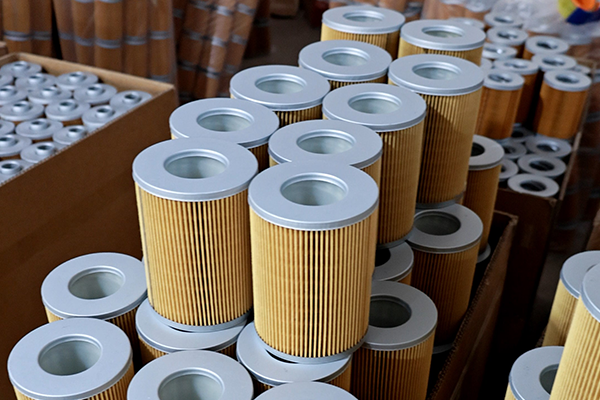
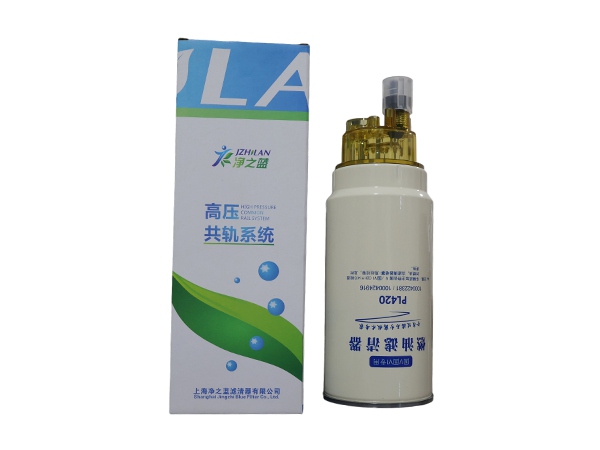
A high efficiency fuel filter is an advanced filtration component designed to remove extremely fine contaminants from fuel before it enters the engine. These contaminants typically include:
Dust and dirt particles
Rust and metal debris
Water contamination
Organic sediments and impurities
Compared to standard filters, high efficiency models utilize finer filter media, improved structural design, and greater dirt-holding capacity. This ensures that clean fuel is delivered consistently, even under harsh and demanding operating conditions.
How It Enhances Engine Performance
1. Cleaner Fuel Combustion
Clean fuel burns more efficiently. When contaminants are effectively removed, the engine achieves smoother combustion, which in turn leads to better power output and fewer misfires.
2. Protection of the Fuel Injection System
Modern engines depend on precise fuel injection systems. Even microscopic particles can cause damage to injectors. A high efficiency fuel filter prevents clogging and wear, ensuring consistent fuel spray patterns and optimal injector performance.
3. Stable Engine Operation
By maintaining a steady flow of clean fuel, the engine runs more smoothly, with fewer fluctuations in power delivery—particularly during acceleration or when operating under heavy loads.
Fuel Economy Benefits
One of the most significant advantages of upgrading to a high efficiency fuel filter is improved fuel economy. This is achieved through several key factors:
Better combustion efficiency allows more energy to be extracted from every drop of fuel
Reduced engine strain minimizes fuel waste
An optimized airflow-fuel balance enhances overall fuel mileage
Over time, these benefits can result in substantial cost savings, especially for commercial fleets and industrial equipment that operate continuously.
Extended Engine Life
Contaminated fuel is one of the primary causes of premature engine wear. High efficiency filtration helps mitigate this issue by:
Reducing carbon buildup in combustion chambers
Preventing corrosion in fuel lines and injectors
Minimizing internal engine friction caused by debris
The end result is a longer engine lifespan, fewer maintenance problems, reduced downtime, and lower repair costs.
Key Features of a High Efficiency Fuel Filter
When choosing a fuel filter, consider the following performance characteristics to ensure optimal results:
High filtration precision (micron-level filtering capability)
Large dirt-holding capacity to handle more contaminants
Strong pressure resistance for stable performance
Corrosion-resistant materials for durability
Stable flow rate even under high demand
Long service interval to reduce maintenance frequency
These features ensure that the filter performs consistently in both normal and harsh operating environments.
Applications Across Industries
High efficiency fuel filters are widely used in various sectors, including:
Passenger vehicles
Heavy-duty trucks and buses
Agricultural machinery (tractors, harvesters, etc.)
Construction equipment
Marine engines
Industrial generators
In all these applications, reliable fuel filtration is essential for uninterrupted operation and effective cost control.
When Should You Replace Your Fuel Filter?
Even high efficiency filters require regular replacement to maintain performance. Common signs that a replacement is needed include:
Reduced engine power
Difficulty starting the engine
Increased fuel consumption
Irregular engine idle
Warning lights on the dashboard
Following the manufacturer’s recommendations and considering operating conditions ensures that the filter operates at its best.
Conclusion
A high efficiency fuel filter is more than just a routine maintenance component—it is a performance upgrade. By ensuring the delivery of clean fuel to the engine, it improves efficiency, enhances fuel economy, and extends the engine’s lifespan. For both individual vehicle owners and industrial operators, investing in a high-quality fuel filtration system is a simple yet effective way to reduce long-term costs and maximize engine reliability.
References
GB/T 7714: The Impact of High Efficiency Fuel Filters on Engine Performance and Longevity. Journal of Automotive Components and Technology
MLA:Filtration Mechanisms and Performance Characteristics of High Efficiency Fuel Filters. Journal of Filtration Technology
APA:Replacement Guidelines and Maintenance Tips for High Efficiency Fuel Filters. Journal of Automotive Maintenance
 Recommended Products

 Contact us
—— Contact:Mr. Gao
—— Tel:+86 19565234361
—— Email:gaomark706@gmail.com
—— Url:https://www.jzl-filter.com
—— Address:Hejian City, Cangzhou City, Hebei Province