
NewsDetails
How to Choose the Correct Oil Filter Size
author:Chengrui time:2026-01-30 12:44:07 Click:123
In modern engines, reliable lubrication is essential for performance, efficiency, and longevity. At the heart of this lubrication system are oil filter parts, which work together to remove contaminants from engine oil and protect internal components from premature wear. Whether used in passenger vehicles, industrial machinery, or heavy equipment, understanding oil filter parts helps engineers and buyers select the right solution for long-term operation.
With stable manufacturer production and scalable factory production capability, high-quality oil filter parts can be supplied in bulk to meet global maintenance and equipment requirements. This article explores the key components of an oil filter, their functions, and how professional production ensures consistent performance for demanding applications.
Understanding the Role of Oil Filter Parts
Oil circulating through an engine collects dirt, metal particles, carbon deposits, and oxidation by-products. Without filtration, these contaminants accelerate friction, reduce efficiency, and damage moving components.
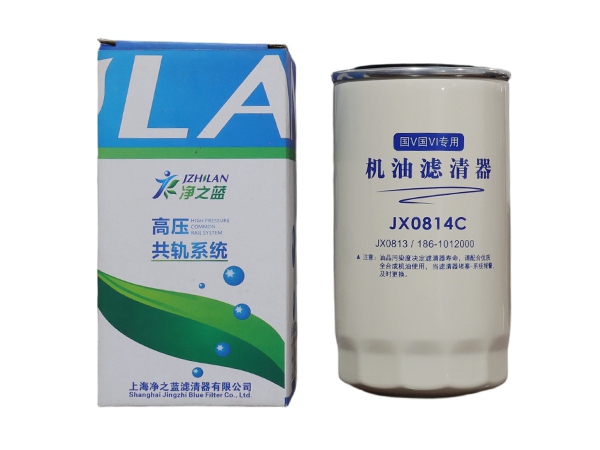
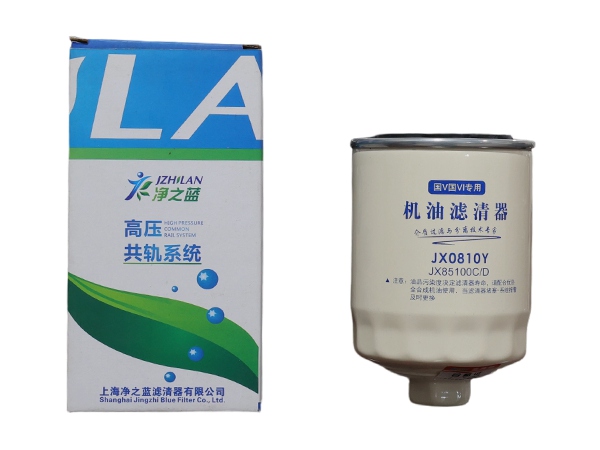
Oil filter parts are designed to trap these harmful particles while allowing clean oil to flow freely through the lubrication system. Each part contributes to pressure control, sealing, filtration accuracy, and structural stability. When properly designed and produced, oil filter parts improve engine reliability, extend service intervals, and reduce overall maintenance costs.
Through advanced factory production, each component is manufactured with controlled tolerances and tested to ensure consistent oil flow and filtration efficiency across large-volume supply.
Filter Media: The Core Filtration Component
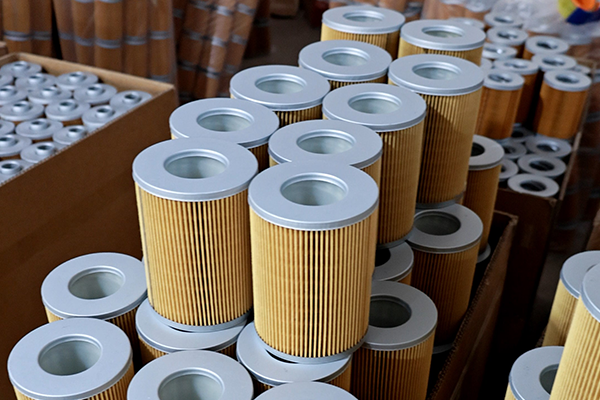
The filter media is the most important among all oil filter parts. It is responsible for capturing contaminants while maintaining proper oil flow.
Typically made from cellulose, synthetic fibers, glass fiber, or blended materials, the media provides high dirt-holding capacity and controlled permeability. Fine pores trap particles while preventing pressure drops that could restrict lubrication.
High-performance oil filter parts use multi-layer media structures to increase filtration efficiency and service life. During manufacturer production, media is cut, pleated, bonded, and inspected to ensure uniform thickness and strength for reliable filtration in different operating conditions.
End Caps: Structural Support and Sealing
End caps are mounted on both ends of the filter media to maintain its shape and provide a stable seal within the housing. They ensure that oil flows through the media instead of bypassing it.
Common materials include metal or reinforced fiber. Metal end caps offer higher strength, while fiber versions reduce weight and improve corrosion resistance.
In oil filter parts manufacturing, end caps are bonded with adhesives to the media to prevent separation under pressure. Automated factory production lines guarantee proper alignment and bonding quality for long-term durability.
Center Tube: Maintaining Media Stability
The center tube supports the filter media internally and prevents collapse under high oil pressure. It also channels filtered oil back into the engine.
Usually made from perforated steel or molded plastic, the center tube allows uniform oil distribution while maintaining structural integrity.
As part of precision oil filter parts, the center tube must balance strength with flow efficiency. Controlled punching, forming, and inspection processes in manufacturer production ensure consistent performance during heavy-duty operation.
Bypass Valve: Protecting the Engine During Cold Starts
The bypass valve is a safety component in oil filter parts. It opens when oil is too thick or when the filter becomes clogged, allowing unfiltered oil to flow temporarily to prevent engine starvation.
This is especially important during cold starts, where high oil viscosity may restrict flow. Without a bypass valve, pressure buildup could damage the filter or starve the engine of lubrication.
Precision spring calibration during factory production ensures the bypass valve opens at the correct pressure point, balancing protection and filtration accuracy.
Anti-Drainback Valve: Preventing Oil Loss
The anti-drainback valve prevents oil from flowing back into the sump when the engine is shut off. This keeps oil inside the filter so that lubrication begins immediately during the next startup.
Typically made from rubber or silicone, this valve seals the inlet holes and reduces dry starts that cause wear.
Among oil filter parts, the anti-drainback valve significantly improves engine life, especially in vertically mounted filters. During manufacturer production, valve materials are tested for heat resistance, flexibility, and long-term sealing performance.
Gasket and Sealing Rings: Preventing Leakage
The gasket or sealing ring ensures a tight connection between the oil filter and the engine block. It prevents oil leakage under vibration, pressure, and temperature changes.
Materials such as nitrile rubber or silicone are commonly used to maintain elasticity and chemical resistance.
High-quality oil filter parts depend on accurate molding and surface finish of sealing components. Automated inspection in factory production ensures consistent sealing performance for bulk supply applications.
Filter Housing: Structural Protection
The housing encloses all oil filter parts and protects them from mechanical damage and pressure fluctuations. Usually made from steel, aluminum, or reinforced polymer, it must withstand internal pressure and environmental exposure.
The housing also directs oil flow into and out of the filter. Its design influences pressure stability and installation convenience.
During manufacturer production, housings are formed, coated, and pressure-tested to ensure durability and corrosion resistance in real-world service conditions.
How Production Quality Affects Oil Filter Parts Performance
Even the best design fails without consistent manufacturing quality. From raw materials to assembly and inspection, every step influences how oil filter parts perform in service.
Modern factory production integrates automation, dimensional control, bonding verification, and flow testing to ensure uniformity across large batches. This allows stable supply for automotive, industrial, and heavy-equipment maintenance markets.
Reliable manufacturer production also supports traceability and quality assurance, reducing failure risk and improving customer confidence in long-term use.
Applications of High-Quality Oil Filter Parts
Well-designed oil filter parts are widely used in:
·Passenger vehicles and commercial fleets
·Construction and mining machinery
·Agricultural equipment
·Power generation systems
·Industrial engines and compressors
In each case, consistent filtration protects components, reduces downtime, and lowers operating costs over the equipment lifecycle. With scalable factory production, bulk supply supports maintenance programs and global distribution needs.
Conclusion: Why Oil Filter Parts Matter
Understanding the key components of an oil filter and their roles highlights how oil filter parts work together to protect engines from contamination, pressure loss, and premature wear. From filter media and valves to seals and housings, every part contributes to reliable lubrication performance.
With professional manufacturer production and dependable factory production capacity, oil filter parts can be supplied in large volumes while maintaining consistent quality and durability.
For engines that demand long service life and operational stability, selecting high-quality oil filter parts is not only a technical decision but also a strategic investment in performance, efficiency, and long-term reliability.
References
GB/T 7714:Lubricants and lubrication[M]. John Wiley & Sons, 2007.
MLA:Mang, Theo, and Wilfried Dresel, eds. Lubricants and lubrication. John Wiley & Sons, 2007.
APA:Mang, T., & Dresel, W. (Eds.). (2007). Lubricants and lubrication. John Wiley & Sons.
 Recommended Products


 Contact us
—— Contact:Mr. Gao
—— Tel:+86 19565234361
—— Email:gaomark706@gmail.com
—— Url:https://www.jzl-filter.com
—— Address:Hejian City, Cangzhou City, Hebei Province