
NewsDetails
Hydraulic Filters: Protecting Construction Equipment's Hidden Nervous System
author:Chengrui time:2026-10-06 15:52:50 Click:155
When an excavator's arm moves smoothly or a skid steer's tracks pivot with precision, what you're watching is hydraulics at work. These systems operate at pressures of 3,000 to 5,000 psi, transmitting force through oil the way electricity moves through wiring. And just like an electrical system hates a short, a hydraulic system hates contamination. A single hard particle — smaller than a grain of salt — can jam a servo valve or score a pump, turning a $40 filter into a $4,000 repair.
Why Hydraulic Systems Are So Vulnerable
Hydraulic fluid is both the power transmitter and the lubricant for the system's moving parts. Unlike engine oil, which degrades mainly from heat and combustion byproducts, hydraulic oil is contaminated primarily by what enters or wears inside the system itself.
The three main contamination sources are: ingressed dirt through breathers and cylinder rod seals, wear particles generated as components break in or age, and water that condenses inside the reservoir. Each of these, left unchecked, accelerates a cycle of wear that produces even more particles — the classic "chain reaction" of hydraulic contamination.
Component tolerances in modern hydraulics are brutal. Servo and proportional valves can have clearances of 1 to 5 microns. A particle just slightly larger than that clearance acts like a wedge, scoring the precision-machined surfaces and generating yet more debris. This is why hydraulic filtration targets much finer particles than engine oil filtration.
Where Filters Sit in the System
A well-designed hydraulic system uses filtration at multiple points, not just one. The most important locations are:
Pressure-line filters — placed after the pump, protecting downstream valves and actuators from pump-generated wear.
Return-line filters — catching contamination before fluid re-enters the tank, the most common single filtration point.
Suction-line filters — protecting the pump inlet, though these must be coarse enough not to starve the pump.
Off-line / kidney-loop filters — separate continuous filtration circuits that clean the oil independent of machine operation, ideal for keeping large reservoirs clean.
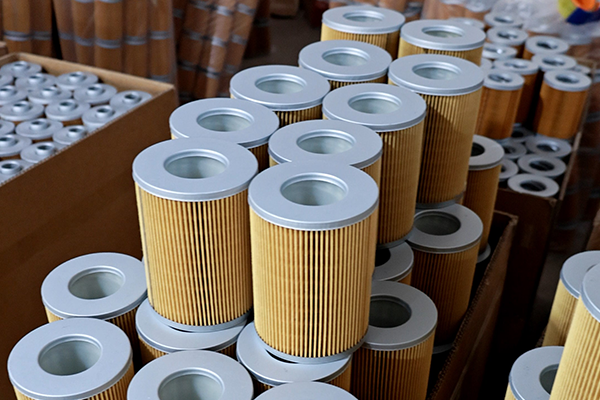
Each position serves a different purpose. A pressure filter with a high micron rating protects sensitive valves; a return filter with moderate rating cleans the bulk of the flow; an off-line loop maintains overall oil cleanliness over time. Relying on a single filter location leaves gaps that contamination will find.
Understanding Micron Ratings and Beta Ratios
Hydraulic filter performance is described by micron rating and beta ratio. The micron rating tells you the particle size the filter targets. The beta ratio (β) tells you how effective it is: a βₓ = 200 at 10 microns means that for every 200 particles 10 microns and larger entering, only 1 passes through. Higher beta means better capture.
For most mobile equipment, a filter rated at 10 microns (absolute) with a beta of 200 or higher is a solid baseline. Critical systems — like those with servo valves — may call for 3 or 5 microns absolute. Using too coarse a filter in a fine-tolerance system is the fast track to valve failure; using too fine a filter everywhere adds unnecessary restriction and shortens element life.
Maintenance Practices That Pay Off
Sampling hydraulic oil on a schedule — say every 500 to 1,000 operating hours — reveals contamination trends before they become failures. A simple particle count (reported on the ISO 4406 scale) tells you whether the system is trending clean or dirty. Pair that with water content checks and you have a clear picture of fluid health.
When replacing hydraulic filter elements, never introduce contamination during the change. Wipe the housing, use clean tools, and prime the new element if the design calls for it. Most importantly, verify the replacement element's micron rating matches the system requirement — a visually identical element with the wrong rating can undermine the entire protection strategy.
Operators often overlook breather caps as contamination entry points. A clogged or missing breather forces the reservoir to pull air through whatever gap it can find, often dragging in dust. Upgrading to a filtered, desiccant breather is one of the cheapest reliability improvements available for stationary or semi-stationary hydraulic power units.
References
ISO 4406. (2017). Hydraulic Fluid Power — Fluid Contamination Code. International Organization for Standardization.
NFPA (National Fluid Power Association). (2019). Contamination Control and Filtration for Fluid Power Systems. NFPA Education Foundation.
Parker Hannifin. (2020). Hydraulic Filtration Handbook: Selection and Application. Parker Technical Publications.
SAE International. (2018). SAE ARP4205: Hydraulic Filter Element Test Methods. Society of Automotive Engineers.
Hutchings, I. & Shipway, P. (2017). Tribology: Friction and Wear of Engineering Materials. Butterworth-Heinemann.
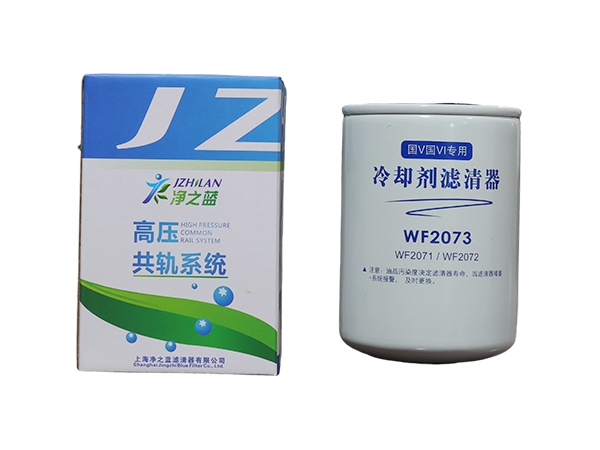
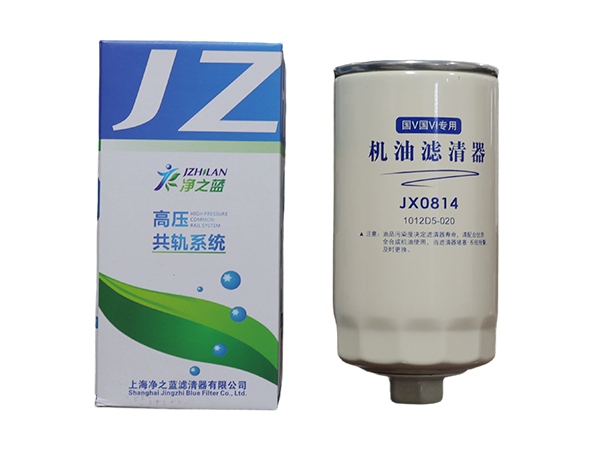
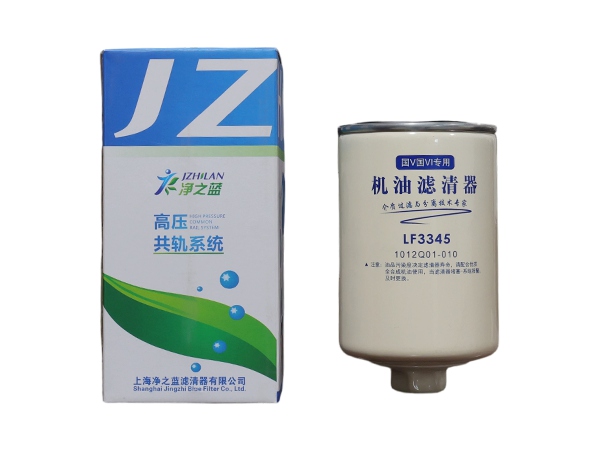
 Recommended Products


 Contact us
—— Contact:Mr. Gao
—— Tel:+86 19565234361
—— Email:gaomark706@gmail.com
—— Url:https://www.jzl-filter.com
—— Address:Hejian City, Cangzhou City, Hebei Province