
NewsDetails
Oil Filter Replacement Guide - When and How to Change
author:Chengrui time:2026-06-20 20:16:33 Click:80
Regular oil filter replacement ranks among the most critical maintenance tasks for any vehicle with an internal combustion engine. The oil filter works tirelessly to remove contaminants from engine oil, preventing harmful particles from circulating through the engine and causing premature wear. Understanding when and how to replace your oil filter helps maintain optimal engine performance and extends the life of your vehicle.
Engine oil circulates through the motor at high temperatures and under significant pressure, picking up byproducts of combustion, metal particles from moving components, and dust that enters through the intake system. Without effective filtration, these contaminants accelerate wear on bearings, cylinder walls, and other critical internal components. Over time, even the best oil filter becomes saturated with captured debris and must be replaced.
How Oil Filters Function
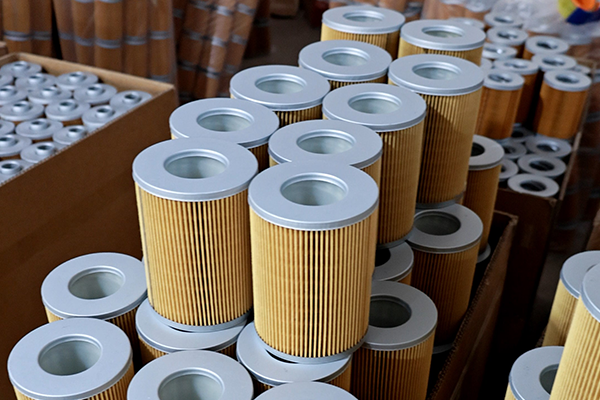
Oil filters utilize a pleated filter medium, typically made from synthetic fibers or cellulose materials, that traps contaminants while allowing oil to flow freely. The filter housing connects to the engine's oil system, ensuring all oil passes through the filtration medium before returning to critical engine components.
Most modern oil filters include a pressure relief valve, sometimes called a bypass valve. This valve opens when the filter becomes clogged or oil is too cold to flow properly, allowing unfiltered oil to reach the engine. While this prevents immediate engine damage, running with a bypassed filter means contaminants reach engine components, causing accelerated wear.
Some premium filters from established oil filter manufacturers feature anti-drain back valves that prevent oil from draining out when the engine is shut off. This ensures oil is immediately available upon startup, reducing the critical period of dry running that causes the most wear. Quality construction and reliable components make a noticeable difference in engine protection.
When to Replace Your Oil Filter
Most vehicle manufacturers recommend replacing the oil filter every time you change your oil, which typically ranges from 5,000 to 15,000 miles depending on the vehicle, oil type, and driving conditions. Following manufacturer recommendations provides a good baseline, though certain conditions may warrant more frequent changes.
Severe operating conditions accelerate filter saturation and may require shortened service intervals. These conditions include frequent short trips that prevent the engine from reaching normal operating temperatures, dusty environments, towing heavy loads, and extreme temperature ranges. Vehicles used for commercial purposes or racing applications typically need more frequent filter changes than passenger vehicles operated under normal conditions.
Some drivers notice decreased engine performance, increased oil consumption, or unusual engine sounds as indicators that the oil filter may need attention. However, waiting for these symptoms means damage has already begun. Preventive replacement according to schedule protects your engine far more effectively than reactive maintenance.
Choosing the Right Oil Filter
Selecting the correct oil filter requires matching the part number to your specific vehicle application. Vehicle identification number databases at parts retailers can help identify the correct filter, or consulting your owner's manual provides authoritative guidance on appropriate replacement parts.
While original equipment manufacturer filters offer guaranteed fit and performance, quality aftermarket filters from reputable oil filter manufacturers often provide comparable protection at lower prices. The key is choosing filters from companies with established quality control processes and good reputations in the industry.
Premium filters typically feature better filter media, more robust construction, and additional features like anti-drain back valves. These differences justify higher prices when the marginal cost is small compared to potential engine repair expenses. Working with a knowledgeable oil filter supplier helps identify products offering the best value for your specific application.
Step-by-Step Replacement Process
Changing an oil filter requires basic tools and about 30 minutes for most vehicles. Begin by running the engine for a few minutes to warm the oil, making it drain more easily. Position a collection pan beneath the oil drain plug and remove the plug, allowing oil to drain completely.
While the oil drains, locate the oil filter and position the collection pan beneath it. Use an oil filter wrench to loosen the filter, then finish removing it by hand. Take care not to damage the filter housing or surrounding components. Inspect the old filter to confirm it was functioning properly; a heavily clogged filter indicates the oil was doing its job.
Before installing the new filter, apply a small amount of clean oil to the gasket to ensure proper sealing. Hand-tighten the new filter until the gasket contacts the mounting surface, then an additional three-quarter turn. Do not over-tighten, as this can damage the gasket or strip threads in the filter housing.
After replacing the drain plug and filter, add fresh oil to the engine, using the correct type and quantity specified in your owner's manual. Start the engine and check for leaks around both the drain plug and filter. Allow the engine to run for a minute, then check the oil level and add more if necessary.
Disposing of Old Filters Properly
Used oil filters contain residual oil that should be recycled rather than disposed of in regular trash. Many automotive parts stores and service centers accept used oil filters for recycling at no charge. Some even offer discounts on new filters when you bring in old ones for recycling.
Proper disposal protects the environment and often provides economic benefits through recycling programs. Check with your local waste management authority for specific regulations in your area regarding oil filter disposal.
Conclusion
Regular oil filter replacement protects your engine from harmful contaminants and maintains optimal performance. Following manufacturer recommendations, choosing quality filters from established manufacturers, and proper installation techniques ensure your engine receives the protection it needs. Whether performing the service yourself or trusting a professional, prioritizing this essential maintenance task pays dividends in engine longevity and reliability.
Establishing a relationship with a trusted oil filter factory or supplier ensures you always have access to quality products for your vehicles. The small investment in regular filter changes prevents far more expensive repairs down the road.
References
Automotive Maintenance and Repair Association. (2024). Oil Filter Maintenance Standards.
Car and Driver Magazine. (2023). The Complete Guide to Oil Changes.
Society of Automotive Engineers. (2024). Engine Lubrication System Design.
Popular Mechanics. (2023). How to Change Your Oil Like a Pro.
 Recommended Products


 Contact us
—— Contact:Mr. Gao
—— Tel:+86 19565234361
—— Email:gaomark706@gmail.com
—— Url:https://www.jzl-filter.com
—— Address:Hejian City, Cangzhou City, Hebei Province