
NewsDetails
PL420 Fuel Filter: Key Features, Applications, and Buying Guide for Reliable Engine Performance
author:Chengrui time:2026-10-23 11:20:20 Click:175
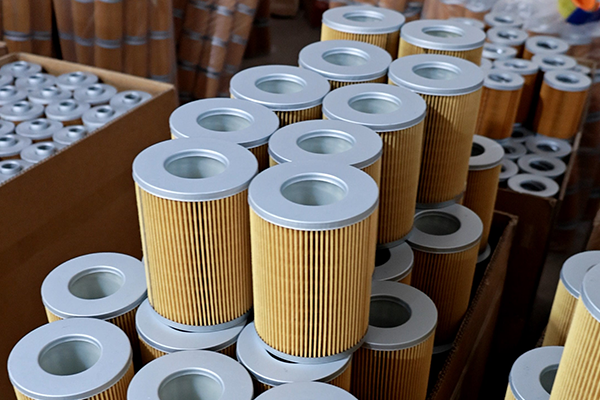
In modern diesel fuel systems, the margin between efficient combustion and injector failure is measured in microns. A PL420 fuel filter sits directly in that margin, removing water, rust and abrasive particles before they reach high-pressure common-rail injectors that operate at tolerances of only a few microns. Across global transport and construction sectors, tightening emission standards and rising fuel injector replacement costs have turned fuel filtration from a consumable expense into a core reliability decision.
Fleet operators and equipment owners who search for a fuel filter manufacturer are rarely looking for the cheapest cartridge. They are looking for consistent media quality, stable dimensional fit and a supplier who can support repeat orders. JZL Filter builds its Beibei series around exactly that requirement, covering truck filters, construction machinery fuel filters and general industrial filter elements.
1. What the PL420 Fuel Filter Does
The PL420 is a spin-on or cartridge-type diesel filtration element installed on the suction or pressure side of the fuel line. Its tasks are mechanical separation of solid particles, coalescing and draining of free water, and protection of the injection pump and injectors.
Particle removal: captures rust, sand, dirt and wear debris generated in tanks and lines.
Water separation: coalesces emulsified water so it can be drained from the bowl, preventing corrosion and microbial growth.
Injector protection: keeps high-pressure nozzles free from scoring and sticking, which is the leading cause of power loss and black smoke.
2. Key Features to Verify Before Ordering
| Parameter | What to check | Why it matters |
|---|---|---|
| Filtration rating | Nominal and absolute micron value, beta ratio | Common-rail systems typically need high-efficiency fine media |
| Media type | Cellulose, cellulose/resin blend, or multi-layer synthetic | Determines efficiency, water tolerance and dirt-holding capacity |
| Water separation | Coalescing media plus drain port | Protects injectors from corrosion and winter icing |
| Thread and gasket | Match mounting head thread, O-ring material (NBR/FKM) | Prevents leaks, air ingress and hard-start complaints |
| Burst / working pressure | Rated above system pressure with margin | Avoids housing deformation on pressure-side installation |
| Service interval | Hours or kilometres defined by OEM | Basis for fleet maintenance planning |
3. Typical Applications
3.1 Long-haul trucks and fleets
Line-haul tractors running high annual mileage benefit from stable pressure drop and predictable service intervals, which keeps maintenance scheduling simple.
3.2 Construction machinery
Excavators, loaders and bulldozers operate in dust-heavy environments where fuel is often stored in site tanks. A high dirt-holding PL420 fuel filter reduces the risk of mid-shift blockage.
3.3 Generator sets and industrial engines
Standby power and pump sets need filters that stay stable during long idle periods, where condensation and microbial contamination are common.
4. Buying Guide for Distributors and Fleets
Confirm the cross reference. Provide the original part number, thread size, outer diameter and height.
Request media data. Efficiency, beta ratio and dirt-holding capacity should be documented, not assumed.
Check sealing material. Biodiesel blends and high-sulphur fuel require compatible gasket material.
Plan inventory by interval. Multiply units per machine by service frequency to set reorder points.
Validate on a test fleet. Run one service cycle and inspect differential pressure and drain content.
5. Frequently Asked Questions
Q1. How often should a PL420 fuel filter be changed?
Follow the engine manufacturer's interval, then shorten it for dusty sites or poor fuel quality. Many fleets change fuel filters at every second or third oil service.
Q2. Can a finer filter damage the fuel system?
Excessively fine media on the suction side can cause starvation and cavitation. Fit filters on the correct side of the system and respect OEM ratings.
Q3. Do you supply OEM and private-label packaging?
Yes. JZL Filter supports bulk supply, custom labelling and cross-reference development for distributors.
 Recommended Products


 Contact us
—— Contact:Mr. Gao
—— Tel:+86 19565234361
—— Email:gaomark706@gmail.com
—— Url:https://www.jzl-filter.com
—— Address:Hejian City, Cangzhou City, Hebei Province