
NewsDetails
high efficiency engine oil filter optimize filtration extend engine life
author:Chengrui time:2026-03-05 09:00:53 Click:125
Your engine is the heart of your vehicle, and clean engine oil is the lifeblood that keeps it running smoothly. But even the highest-quality motor oil can’t perform its job effectively if it’s contaminated with dirt, metal particles, sludge, or debris. That’s where a high efficiency engine oil filter comes in. Designed to trap even the smallest impurities that standard filters miss, this essential auto part optimizes oil filtration, protects critical engine components, and ultimately extends the lifespan of your engine—saving you time, money, and the hassle of unexpected breakdowns.
What Is a High Efficiency Engine Oil Filter?
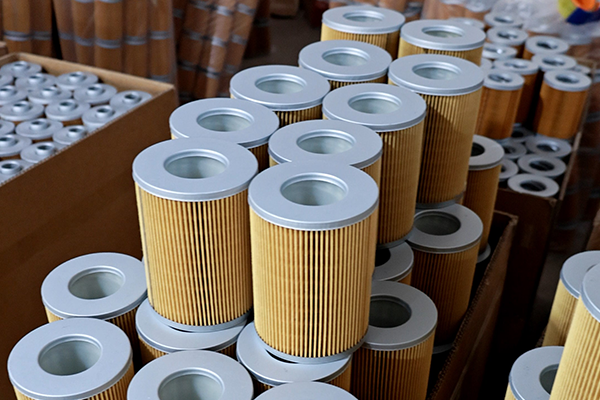
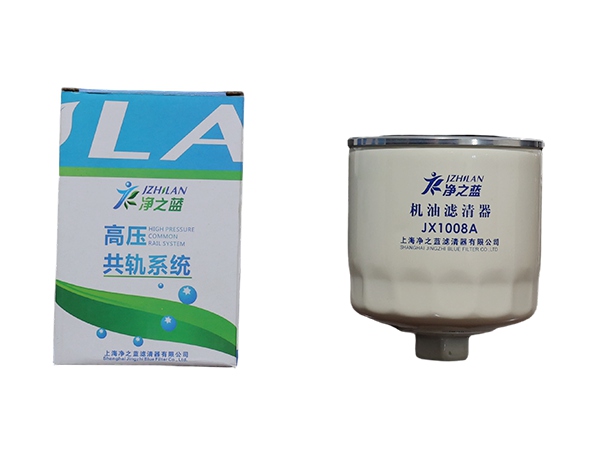
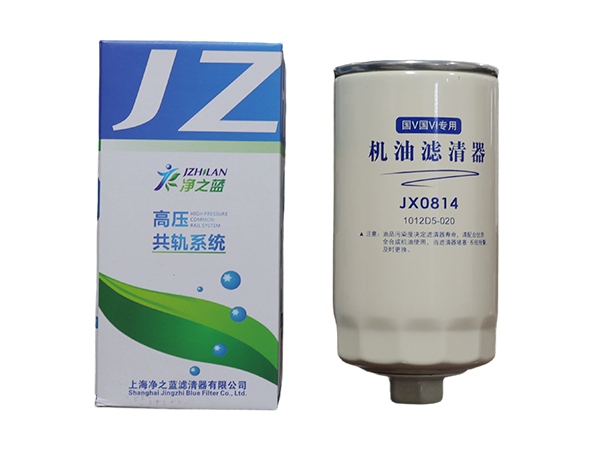
A high efficiency engine oil filter is a specialized filtration component engineered to remove significantly more contaminants from engine oil than conventional oil filters. Unlike standard filters, which typically trap particles as small as 20-30 microns (a micron is 1/1000 of a millimeter), high efficiency models can capture particles as small as 5-10 microns—about the size of a single grain of dust. This level of filtration is critical because even tiny particles can cause abrasive wear on engine parts like pistons, bearings, crankshafts, and camshafts over time. To achieve this superior performance, high efficiency oil filters use advanced filter media—often a combination of synthetic fibers, glass fibers, or pleated cellulose—that’s denser and more durable than the media in standard filters. They also feature reinforced housings, improved seal designs, and optimized flow rates to ensure that clean oil circulates freely through the engine while maintaining consistent filtration efficiency, even under high temperatures and heavy loads.
How Does a High Efficiency Engine Oil Filter Work?
The basic function of any engine oil filter is to clean the oil as it circulates through the engine, but high efficiency models take this process to the next level. Here’s a step-by-step breakdown of how they work:
·Oil Circulation: As your engine runs, oil is pumped from the oil pan through the filter. This oil carries contaminants picked up from normal engine operation, including metal shavings from moving parts, dirt from the air intake, and sludge formed by oil breakdown.
·Contaminant Trapping: The oil passes through the high-efficiency filter media, which acts as a barrier. The dense, pleated design of the media provides a large surface area to trap even the smallest particles—far more effectively than standard filter media.
·Clean Oil Flow: Once filtered, the clean oil exits the filter and flows to the engine’s critical components, providing lubrication, reducing friction, and preventing overheating.
·Pressure Relief Valve: High efficiency filters also include a pressure relief valve (a feature found in most filters) that opens if the filter becomes clogged. This ensures that oil continues to flow to the engine, preventing oil starvation and potential damage—though a clogged filter should still be replaced promptly.
The key difference with high efficiency models is their ability to maintain this level of filtration for longer periods. Many are designed for extended service intervals, meaning you can go longer between oil and filter changes without sacrificing performance—a major benefit for busy vehicle owners and fleet managers.
Key Benefits of a High Efficiency Engine Oil Filter
Upgrading to a high efficiency engine oil filter offers a range of advantages that directly impact your engine’s performance, reliability, and lifespan. Here are the most notable benefits:
1. Superior Contaminant Removal
As mentioned, high efficiency filters trap particles as small as 5-10 microns, compared to 20-30 microns for standard filters. This means fewer impurities reach your engine’s moving parts, reducing abrasive wear and minimizing the risk of corrosion, scoring, or mechanical failure. Over time, this translates to a healthier engine that runs more smoothly.
2. Extended Engine Lifespan
By protecting critical engine components from premature wear, a high efficiency oil filter directly extends the life of your engine. Studies have shown that engines using high efficiency filtration experience up to 30% less wear on bearings and other moving parts, leading to longer service life and fewer costly repairs. For heavy-duty vehicles and industrial equipment, this benefit is even more significant—reducing downtime and replacement costs.
3. Improved Oil Performance & Longevity
Clean oil performs better. A high efficiency filter keeps oil free of contaminants that break down oil molecules and reduce its lubricating properties. This means your motor oil lasts longer, maintaining its viscosity and protective qualities for extended periods. For those using synthetic oil (which is more expensive but longer-lasting), a high efficiency filter maximizes the value of that investment by allowing the oil to reach its full service interval.
4. Enhanced Fuel Efficiency
When engine parts are properly lubricated and free of friction, your engine runs more efficiently. A high efficiency oil filter ensures that clean oil flows smoothly, reducing friction between moving parts and improving fuel economy. While the improvement may seem small (typically 2-5%), it adds up over time—saving you money at the pump, especially for vehicles with high mileage or heavy usage.
5. Versatility & Compatibility
High efficiency engine oil filters are available for almost every vehicle and engine type, from passenger cars and SUVs to trucks, motorcycles, generators, and industrial machinery. They’re engineered to match OEM specifications, ensuring a perfect fit and easy installation—no special tools or modifications required. This makes them a versatile upgrade for any vehicle owner.
How to Choose the Right High Efficiency Engine Oil Filter
Not all high efficiency oil filters are created equal. To get the most out of your upgrade, consider the following factors when choosing a filter:
·Filtration Efficiency Rating: Look for filters with a rated efficiency of 95% or higher for particles 10 microns or smaller. This rating indicates how effectively the filter traps contaminants.
·Filter Media: Opt for filters with synthetic or glass fiber media, as these are more durable and effective than standard cellulose media. Some filters combine multiple media types for even better performance.
·Compatibility: Ensure the filter is designed for your specific vehicle make, model, and engine type. Check the OEM part number or use a fitment guide to confirm compatibility.
·Service Interval: Choose a filter that matches your oil change schedule. Many high efficiency filters are designed for extended intervals (5,000-10,000 miles or more), but always follow your vehicle manufacturer’s recommendations.
·Brand Reliability: Select a reputable brand known for quality auto parts. Cheap, low-quality filters may claim to be “high efficiency” but fail to deliver on performance, putting your engine at risk.
Installation & Maintenance Tips
Installing a high efficiency engine oil filter is straightforward and can be done at home with basic tools, or by a professional mechanic. Here are a few tips to ensure proper installation and maintenance:
·Prepare the New Filter: Before installing, apply a thin layer of clean engine oil to the filter’s rubber gasket. This ensures a tight seal and prevents the gasket from sticking or tearing during installation.
·Remove the Old Filter: Use an oil filter wrench to loosen and remove the old filter. Be careful—some oil may spill out, so place a drain pan underneath.
·Install the New Filter: Screw the new filter onto the engine by hand until the gasket makes contact with the engine block. Then, tighten it an additional 3/4 turn (check the filter’s instructions for specific torque recommendations).
·Check for Leaks: After installation, add new engine oil (if needed) and start the engine. Let it run for a few minutes, then check for oil leaks around the filter housing. If you notice a leak, tighten the filter slightly or replace the gasket if damaged.
·Replace Regularly: Even high efficiency filters need to be replaced. Follow your vehicle’s recommended oil change schedule, or replace the filter every time you change your engine oil—whichever comes first.
Conclusion: Invest in Your Engine’s Future with a High Efficiency Oil Filter
Your engine works hard every time you start your vehicle, and it deserves the best protection possible. A high efficiency engine oil filter isn’t just an upgrade—it’s an investment in your engine’s longevity, performance, and reliability. By trapping even the smallest contaminants, optimizing oil filtration, and reducing wear on critical components, this simple auto part saves you money on repairs, improves fuel efficiency, and gives you peace of mind knowing your engine is running at its best. Whether you’re a daily commuter, a fleet manager, or an enthusiast who takes pride in their vehicle, a high efficiency engine oil filter is a must-have. Don’t settle for a standard filter that leaves your engine vulnerable—upgrade today and enjoy the benefits of a cleaner, healthier, longer-lasting engine.
References
GB/T 7714:Filtration efficiency and service life of high-efficiency oil filters for commercial vehicle engines. SAE International Journal of Engines
MLA:Performance evaluation of high-efficiency oil filters for extended drain intervals in heavy-duty applications. Tribology Transactions
APA:A study on engine oil filter design for improved pressure drop and particle capture efficiency. International Journal of Automotive Technology </p
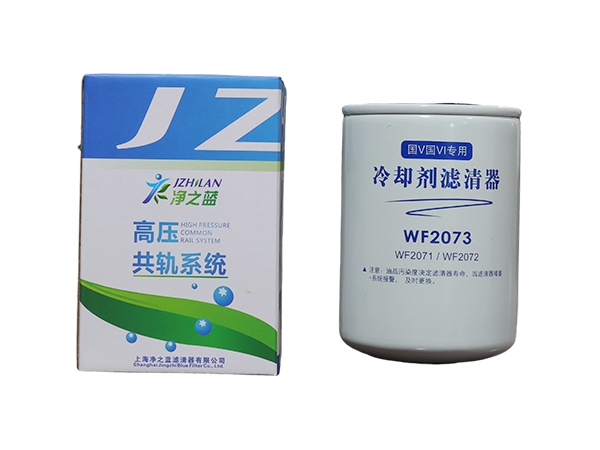
 Recommended Products


 Contact us
—— Contact:Mr. Gao
—— Tel:+86 19565234361
—— Email:gaomark706@gmail.com
—— Url:https://www.jzl-filter.com
—— Address:Hejian City, Cangzhou City, Hebei Province