
NewsDetails
What Is an Oil Filter and How Does It Work?
author:Chengrui time:2026-01-11 16:56:25 Click:183
An oil filter is a critical component in any lubrication system, designed to remove contaminants from engine oil before the oil circulates through moving parts. Whether used in automotive engines, industrial machinery, or power equipment, an oil filter plays a key role in maintaining performance, reducing wear, and extending service life.
Understanding what an oil filter is and how it works helps users make informed decisions about maintenance, replacement, and product selection. This article explains the basic function, internal structure, and working process of an oil filter, along with why it matters for both everyday use and large-scale production environments.
What Is an Oil Filter?
An oil filter is a device that traps unwanted particles from lubricating oil. These particles may include metal debris, carbon residue, dust, and sludge generated during normal operation. Without filtration, contaminants circulate with oil and gradually damage internal components.
Oil filters are commonly installed in:
·Vehicle engines
·Industrial engines
·Hydraulic and lubrication systems
·Power generators and compressors
Regardless of application, the main purpose of an oil filter remains the same: to ensure clean oil reaches critical components under proper pressure and flow.
Why Oil Filtration Is Essential
Clean oil is essential for reducing friction and controlling temperature. Over time, oil naturally degrades and accumulates impurities. An oil filter prevents these contaminants from accelerating wear or causing blockages.
Key benefits of effective oil filtration include:
·Improved engine efficiency
·Reduced component wear
·Stable oil pressure
·Longer service intervals
For systems operating continuously or under heavy load, oil filtration becomes even more important, especially in industrial and bulk production settings.
Main Components of an Oil Filter
Although designs vary, most oil filters contain several core components:
Filter Media
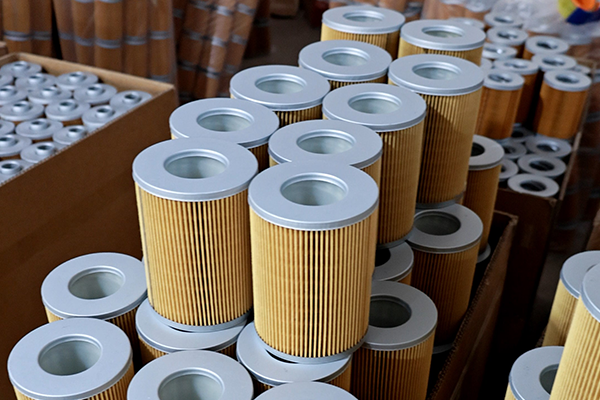
This is the heart of the oil filter. The media captures contaminants while allowing oil to pass through. It may be made from cellulose, synthetic fibers, or blended materials depending on filtration requirements.
Housing
The outer shell protects the filter media and allows safe operation under pressure. In many applications, metal housings are used for durability and compatibility with mass production.
End Caps and Center Tube
These components support the filter media and maintain structural stability during oil flow.
Valves
Some oil filters include a bypass valve or anti-drain back valve to ensure consistent oil flow under cold starts or high pressure conditions.
How Does an Oil Filter Work?
The working process of an oil filter follows a simple but effective principle:
1.Oil is pumped from the engine or system into the filter
2.Oil passes through the filter media
3.Contaminants are trapped inside the media
4.Clean oil exits the filter and returns to circulation
As oil flows through the media, particles larger than the pore size are retained. Over time, the filter gradually fills with contaminants, which is why regular replacement is necessary.
In large-scale production environments, oil filter design must balance filtration efficiency with flow rate to avoid pressure loss.
Different Types of Oil Filters
There are several common oil filter designs used across industries:
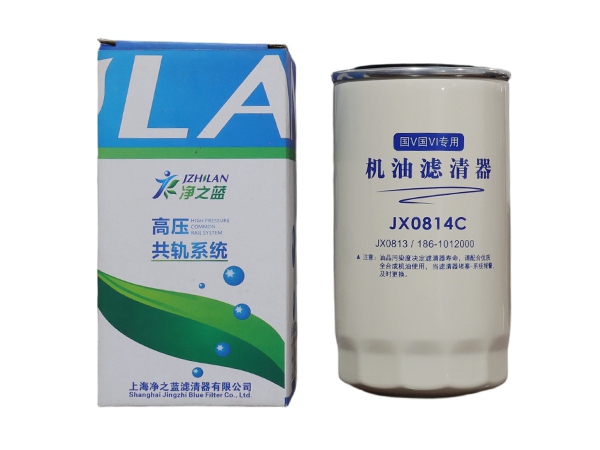
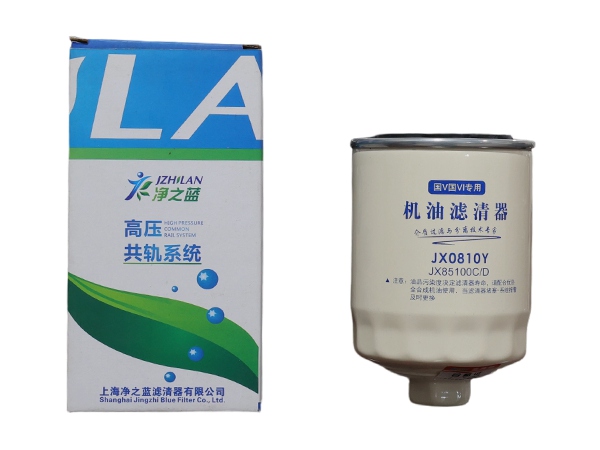
·Spin-on oil filters: Self-contained units commonly used in vehicles
·Cartridge oil filters: Replaceable elements housed inside a permanent casing
·Inline oil filters: Installed directly in oil lines for industrial systems
Each type offers different advantages depending on installation space, maintenance frequency, and production requirements.
Oil Filter Performance Factors
Several factors affect how well an oil filter performs:
·Micron rating: Determines the size of particles the filter can capture
·Flow capacity: Ensures oil circulation without restriction
·Material quality: Impacts durability and lifespan
In manufacturing and bulk supply scenarios, consistency in material selection and controlled production processes are essential to maintaining stable filter performance.
Oil Filter Replacement and Maintenance
An oil filter should be replaced regularly based on operating conditions, oil quality, and system design. Common signs that an oil filter may need replacement include reduced oil pressure, contaminated oil, or abnormal operating noise.
Routine maintenance ensures that the oil filter continues to protect equipment efficiently without interrupting normal operation.
Oil Filters in Manufacturing and Production
In industrial applications, oil filters are often produced through standardized production lines to meet bulk supply demands. A reliable oil filter manufacturer focuses on material control, structural testing, and process stability to ensure consistent performance across large production volumes.
Efficient production and quality inspection help ensure that oil filters meet functional requirements in both standard and customized applications.
Conclusion
An oil filter is a vital component that ensures clean oil circulation, protects mechanical systems, and supports long-term performance. By understanding how an oil filter works, users can better manage maintenance schedules and select suitable filtration solutions for their applications.
Whether used in everyday equipment or supplied in bulk through controlled production processes, the oil filter remains essential for efficient and reliable operation. Choosing the right oil filter and maintaining it properly is a simple step that delivers long-term value.
References
GB/T 7714:Wakeman R J, Tarleton E S. Filtration: equipment selection, modelling and process simulation[M]. Elsevier, 1999.
MLA:Wakeman, Richard J., and E. Steven Tarleton. Filtration: equipment selection, modelling and process simulation. Elsevier, 1999.
APA:Wakeman, R. J., & Tarleton, E. S. (1999). Filtration: equipment selection, modelling and process simulation. Elsevier.
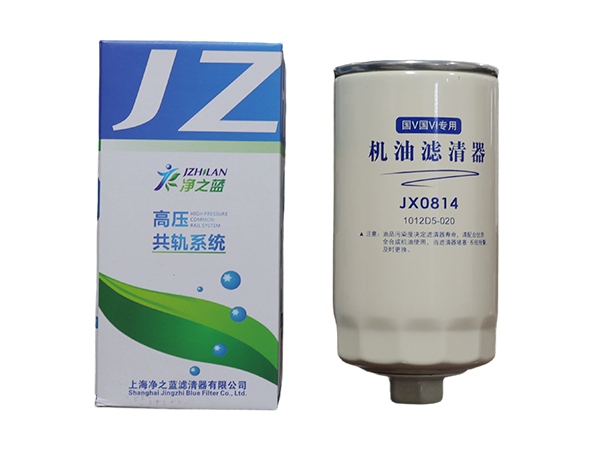
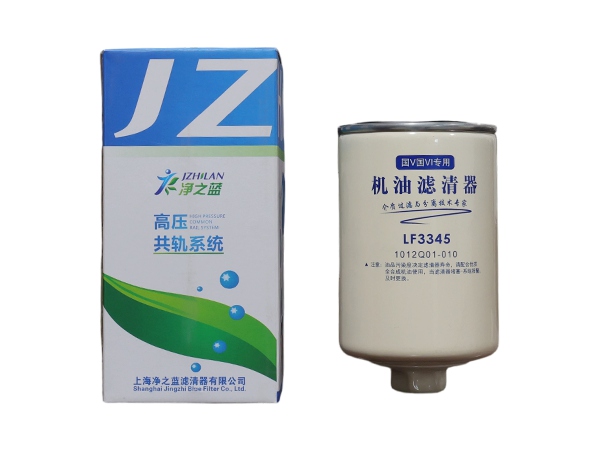
 Recommended Products


 Contact us
—— Contact:Mr. Gao
—— Tel:+86 19565234361
—— Email:gaomark706@gmail.com
—— Url:https://www.jzl-filter.com
—— Address:Hejian City, Cangzhou City, Hebei Province