
NewsDetails
Why You Need to Replace Your Car Fuel Filter Regularly
author:Chengrui time:2026-05-22 19:46:19 Click:179
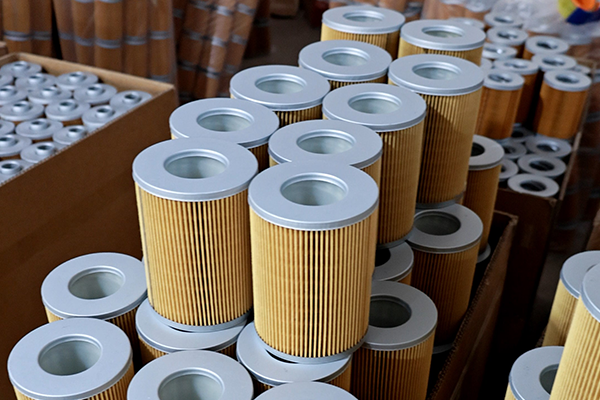
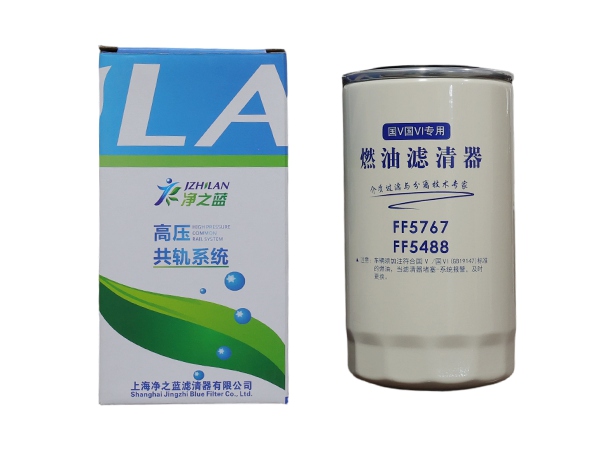
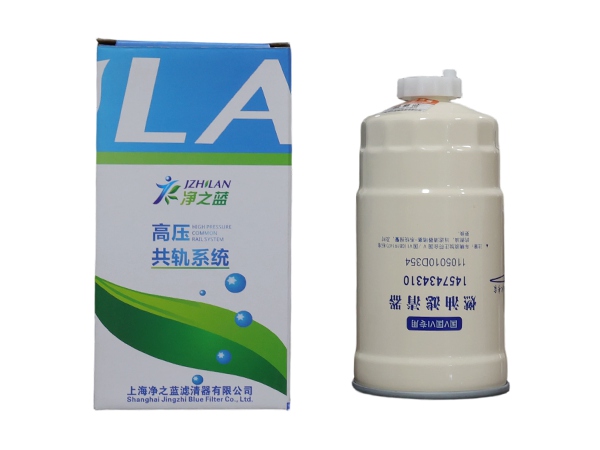
Although the fuel filter is a compact and easily neglected part in automotive fuel systems, it undertakes the vital task of safeguarding the overall health and stable operation of vehicle engines. Serving as the primary protective barrier of the fuel supply system, it effectively intercepts harmful substances such as sediment, rust particles, moisture and various microscopic impurities mixed in gasoline and diesel fuel. These contaminants are isolated before they can be transported to precision engine parts. Nevertheless, filter media will gradually accumulate pollutants during long-term operation, resulting in blockage, decreased filtration efficiency and weakened fuel delivery capacity. Scheduled fuel filter replacement is a low-cost and high-return maintenance measure that effectively avoids sudden engine failures, cuts down expensive repair expenses, and sustains long-term optimal vehicle performance.
1. Effective Prevention of Engine Structural Damage
Modern automotive fuel supply systems consist of high-precision fuel pumps and fine-nozzle injectors, which are extremely sensitive to tiny impurities in fuel. Subtle dirt, rust deposits and unfiltered particulate matter can cause persistent friction wear, internal corrosion and structural damage to core fuel components. If aging or clogged fuel filters are not replaced in time, unpurified fuel will flow directly into the engine system, triggering a series of mechanical problems including blocked fuel injectors, declined combustion efficiency, accelerated fuel pump aging, and frequent engine misfires or sudden stalling. Regular filter replacement guarantees pure and clean fuel supply, greatly protecting precision components and significantly extending the overall service life of the engine fuel system.
2. Sustaining Stable and Optimal Engine Performance
Clogged filter elements inevitably hinder normal fuel circulation and reduce fuel delivery volume and pressure. Insufficient fuel supply directly undermines engine power output and driving experience. Common symptoms include delayed acceleration response, insufficient power during climbing and high-speed driving, unstable idle speed and jittering operation. In addition, incomplete fuel supply also leads to insufficient combustion, resulting in increased fuel consumption and poorer vehicle economy. For contemporary high-precision electronic injection engines that require accurate fuel supply control, maintaining unobstructed fuel circulation through regular filter replacement is crucial to keep consistent power output, smooth driving performance and ideal fuel efficiency.
3. Comprehensive Protection of the Entire Fuel System
Moisture contamination is a hidden and easily overlooked hazard in vehicle fuel systems. Condensed water generated during fuel storage and transportation can enter the fuel circuit, causing electrochemical corrosion of injectors, fuel pipelines and internal pump bodies. Most mainstream fuel filters are equipped with professional water separation and coalescence functions to remove mixed moisture from fuel. However, this functional advantage will gradually degrade as the filter element becomes saturated with dirt and impurities. Timely replacement of fuel filters continuously maintains efficient water separation capacity, effectively prevents internal corrosion and pipeline leakage of the fuel system, and forms comprehensive protection for the entire fuel delivery circuit.
4. Reducing Long-Term Vehicle Maintenance Costs
Delaying fuel filter replacement is likely to induce a chain of high-cost failures. Damaged fuel pumps and completely blocked injectors require expensive replacement and overhaul work, which brings huge economic losses to vehicle owners. In contrast, regular filter replacement is an economical and efficient preventive maintenance method. It effectively avoids unexpected vehicle breakdowns and roadside failures, reduces the frequency of major overhauls, and greatly lowers the overall long-term operating and maintenance costs of vehicles.
5. Standard Replacement Cycle Guidelines
General automotive maintenance specifications recommend replacing the fuel filter every 20,000 to 40,000 miles or every two to three years. The specific cycle needs to be adjusted according to actual driving environments and fuel quality. Vehicles that often travel in dusty road conditions or use low-grade fuel are exposed to higher contamination risks and require more frequent filter replacement. Vehicle owners should refer to the official maintenance manual to formulate a scientific replacement plan.
Conclusion
The fuel filter is an indispensable core protective component of the engine fuel system. Adhering to regular replacement can ensure smooth fuel circulation, stable combustion efficiency and reliable engine operation. As a professional manufacturer, our factory offers high-standard, durable and highly compatible fuel filter products covering most vehicle models. Reasonable maintenance and high-quality filter selection can effectively protect engine health, optimize vehicle performance, and create long-term economic and stable driving benefits for users.
References
GB/T 7714:Impact of Fuel Filter Clogging on Spark-Ignition Engine Performance and Emissions. Journal of Automotive Engineering
MLA: Preventive Maintenance Analysis: Fuel Filter Replacement Interval Optimization for Light-Duty Vehicles. SAE International Journal of Vehicle Systems
APA:Cost-Benefit Evaluation of Regular Fuel Filter Maintenance for Passenger Vehicles. Journal of Transportation Maintenance & Engineering
 Recommended Products
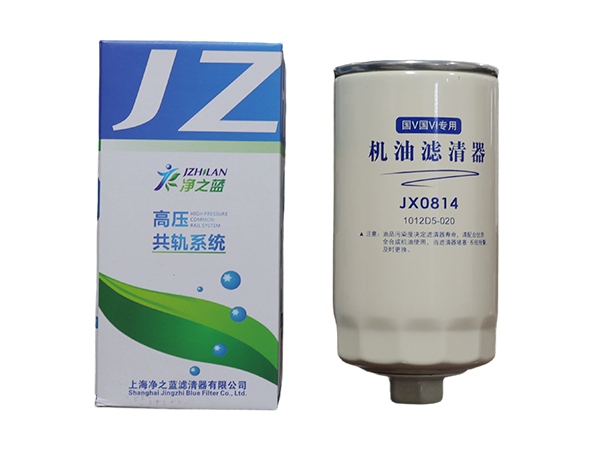
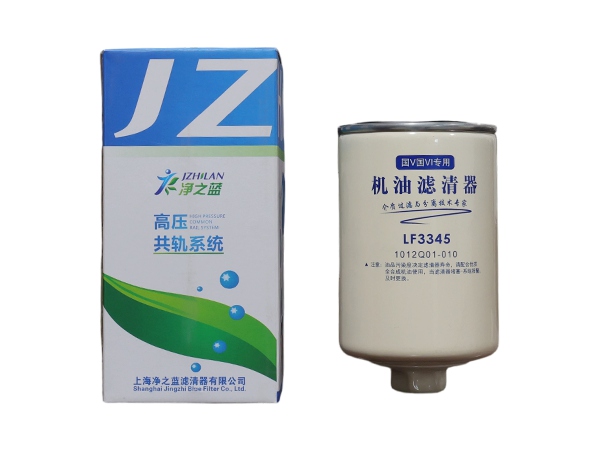


 Contact us
—— Contact:Mr. Gao
—— Tel:+86 19565234361
—— Email:gaomark706@gmail.com
—— Url:https://www.jzl-filter.com
—— Address:Hejian City, Cangzhou City, Hebei Province