
NewsDetails
Why Oil Filters Matter: Protecting Your Truck Engine from the Inside Out
author:Chengrui time:2026-09-04 19:03:43 Click:152
The Engine's Unsung Guardian
Most truck owners think about engine oil pretty regularly. They check the dipstick, watch for that amber light on the dashboard, and schedule oil changes when the sticker on the windshield tells them to. But there's a component that rarely gets the attention it deserves—the oil filter sitting quietly between the oil pump and the engine's moving parts. It's doing work that matters more than most people realize.
Think about what happens inside a truck engine over thousands of miles. Metal parts grind against each other at high speeds. Combustion byproducts sneak past piston rings. Tiny particles of dirt and dust find their way in through air intake systems, even with good air filters in place. All of this ends up suspended in the oil, turning what should be a protective lubricant into a circulating abrasive mixture. That's where the oil filter steps in.
A quality oil filter captures particles as small as 10 to 20 microns—stuff you'd need a microscope to see. But those invisible particles can score bearings, scratch cylinder walls, and accelerate wear on precision components. The filter is constantly working, cycling the entire oil capacity through its media dozens of times per hour when the engine is running. It's not glamorous work, but without it, engines don't last.
What Happens Without a Quality Oil Filter
Cheap oil filters exist, and they're tempting when you're comparing prices at the parts counter. The problem is that not all filters are built the same. Some use thinner media with larger pores that let smaller particles pass through. Others have weak bypass valves that open too easily, sending unfiltered oil straight to the engine when the filter starts to clog. Others still have flimsy construction that can fail under pressure.
The consequences don't show up immediately. You might run a low-quality filter for an oil change or two without noticing anything wrong. But over time, contaminants that should have been caught continue circulating. They embed themselves in bearing surfaces. They score valve train components. They contribute to sludge formation in oil passages. By the time symptoms appear—rough idle, decreased fuel efficiency, unusual engine noise—the damage is already done.
In heavy duty applications where trucks carry significant loads over long distances, the stakes are even higher. Turbochargers, which spin at incredible speeds, depend on clean oil for both lubrication and cooling. A poorly filtered oil stream can damage turbo bearings in relatively short order. Replacing a turbo costs far more than investing in proper filtration from the start.
Key Components Inside an Oil Filter
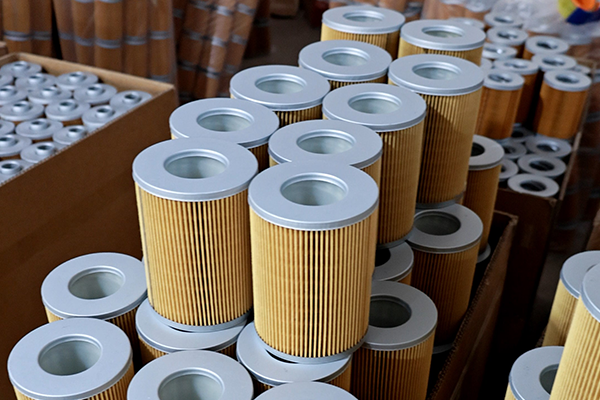
A spin-on oil filter—the type most commonly used on trucks—contains more than meets the eye. The filter media itself is typically made from cellulose, synthetic fibers, or a blend of both. Cellulose is traditional and cost-effective, trapping particles down to about 40 microns on average. Synthetic media goes further, capturing smaller particles while maintaining better flow characteristics over the filter's service life.
Then there's the bypass valve, a small but critical component. When oil is cold and thick during startup, or when the filter media becomes clogged with contaminants, the bypass valve opens to prevent oil starvation. The engine still gets oil, but it's unfiltered. Quality filters use bypass valves calibrated to open only at the appropriate pressure differential, while cheaper units might open too easily, effectively bypassing filtration for extended periods.
The anti-drainback valve is another important feature, especially on vehicles where the filter mounts horizontally or upside-down. This valve keeps oil in the filter when the engine is off, ensuring immediate lubrication on startup instead of that brief moment where the pump has to refill the filter before oil reaches the engine. Some older engines had timing chain tensioners that relied on oil pressure; a worn or missing anti-drainback valve could cause rattling and wear during cold starts.
Signs Your Oil Filter Needs Attention
Oil filters don't always give obvious warning signs before problems develop. That's why following manufacturer-recommended change intervals matters. But there are indicators worth watching for. If the oil pressure warning light flickers at idle after the engine is warm, it could indicate a clogged filter restricting flow, especially if the oil itself isn't particularly old or degraded.
Dark, gritty oil on the dipstick can signal that the filter is no longer effectively trapping contaminants. If the oil looks thick and sludgy well before its scheduled change, the filter may have become overwhelmed or was undersized for the application in the first place. In some cases, a failing filter can develop external leaks around the gasket or at the seam where the canister is crimped together—these need immediate attention.
Engine noise is another telltale sign. A well-lubricated engine should run relatively quietly. If you're hearing increased ticking from the valve train or deeper knocking sounds, inadequate lubrication from restricted oil flow could be the culprit. At that point, both the oil and filter need inspection, and potentially the engine needs a closer look for damage.
Choosing the Right Oil Filter for Trucks
Not every oil filter fits every application, even among filters with the same thread size and mounting configuration. Heavy duty truck engines often require larger filters with greater capacity and heavier-duty media than what works fine on a passenger car. The operating conditions are different—longer run times, heavier loads, higher sustained temperatures, and more frequent duty cycles all place greater demands on the filtration system.
When selecting a filter, consider the manufacturer's specifications first. They've engineered the engine with specific flow rates and filtration requirements in mind. If the spec calls for a filter with certain capacity and efficiency ratings, substituting a smaller or cheaper alternative might save a few dollars upfront but cost significantly more in premature engine wear.
For trucks in severe service—frequent towing, construction site work, extreme temperatures, or extended drain intervals—premium filters with synthetic media and robust construction are worth the investment. They maintain efficiency longer, trap smaller particles, and are less likely to fail under demanding conditions. The oil filter element inside some canister-style filters can also be inspected and replaced separately on certain applications, allowing for more frequent filter changes without replacing the entire housing.
Ultimately, the oil filter is a small component with an outsized impact on engine longevity. Choosing well, changing it regularly, and understanding what it does helps protect the significant investment sitting under the hood.
References
Society of Automotive Engineers, "Engine Oil Filtration Effects on Vehicle Wear," SAE Technical Paper Series, 2019
ASTM International, "Standard Test Methods for Vehicle Engine Oil Filters," ASTM D6892, 2021
Motor Oil Matters, "Filter Media Types and Their Performance Characteristics," Technical Bulletin, 2020
Filtration News, "Heavy Duty Engine Filtration: Challenges and Solutions," Industry Report, 2022
Automotive Engineering International, "Oil Filter Bypass Valve Design and Engine Protection," Feature Article, 2018
 Recommended Products


 Contact us
—— Contact:Mr. Gao
—— Tel:+86 19565234361
—— Email:gaomark706@gmail.com
—— Url:https://www.jzl-filter.com
—— Address:Hejian City, Cangzhou City, Hebei Province